
wed 20 Jun 2012 - sun 2 Jun 2013
NRC Handelsblad

De Dolhuys Kermis: Unheard of!
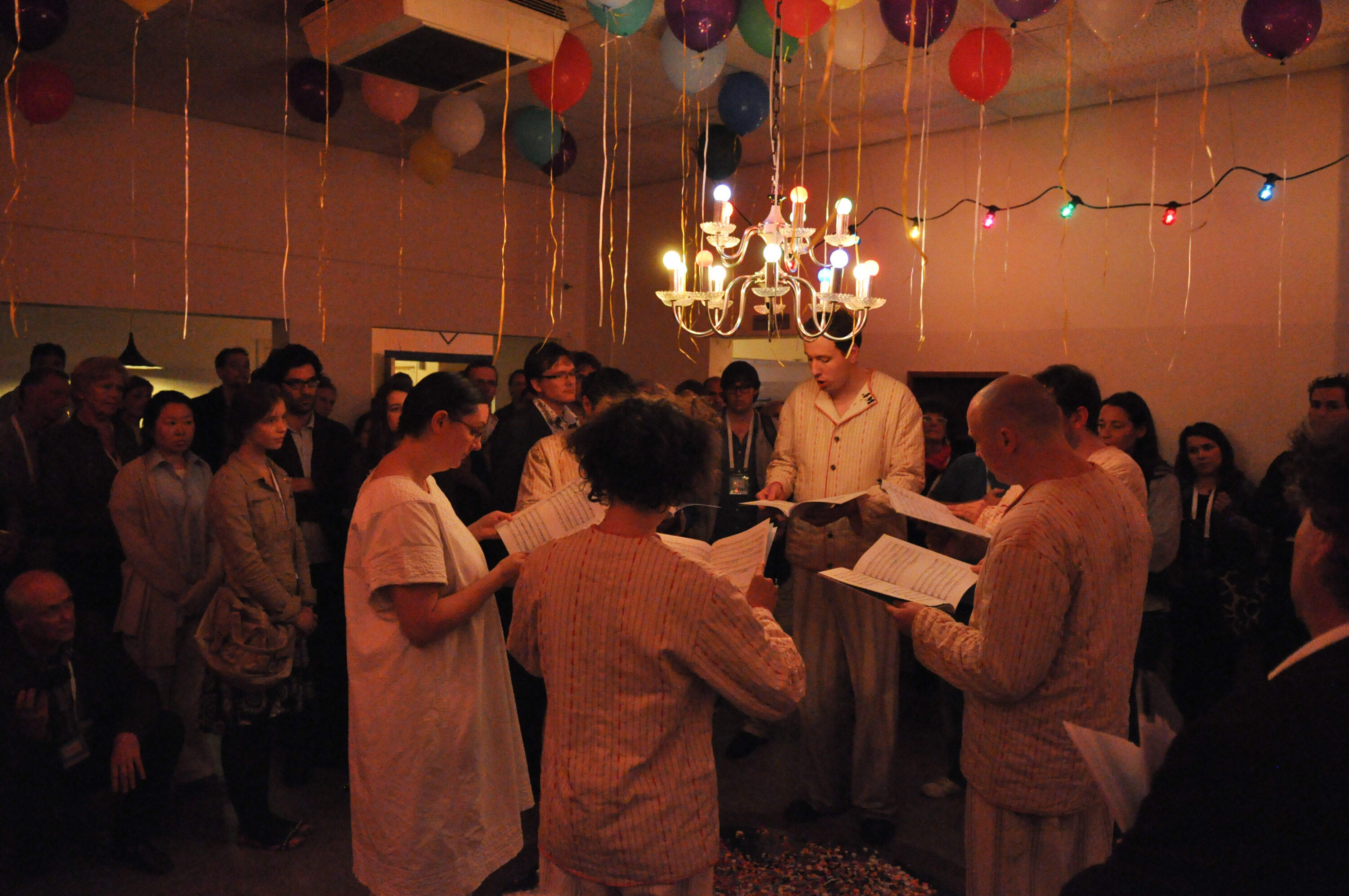
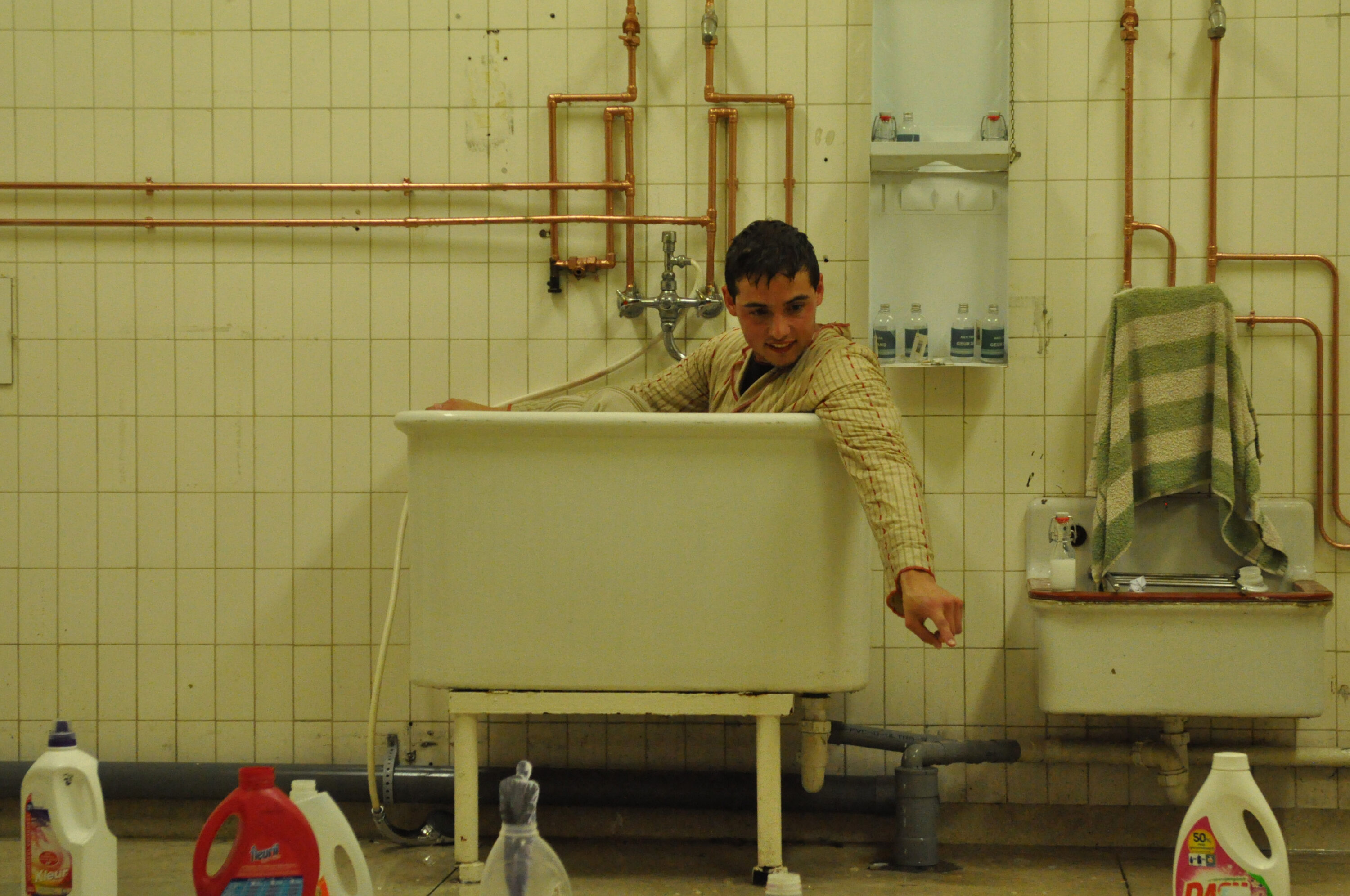
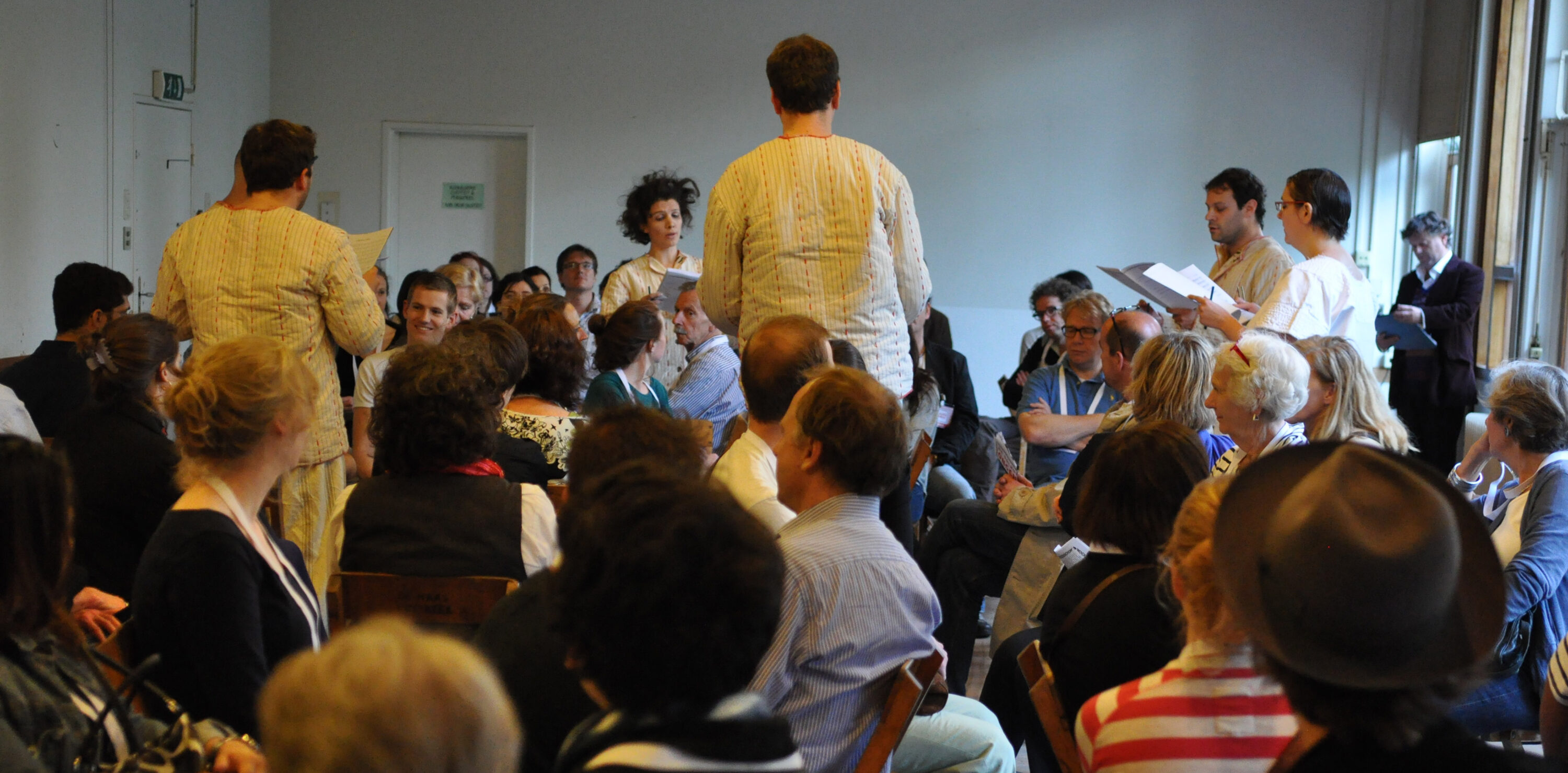
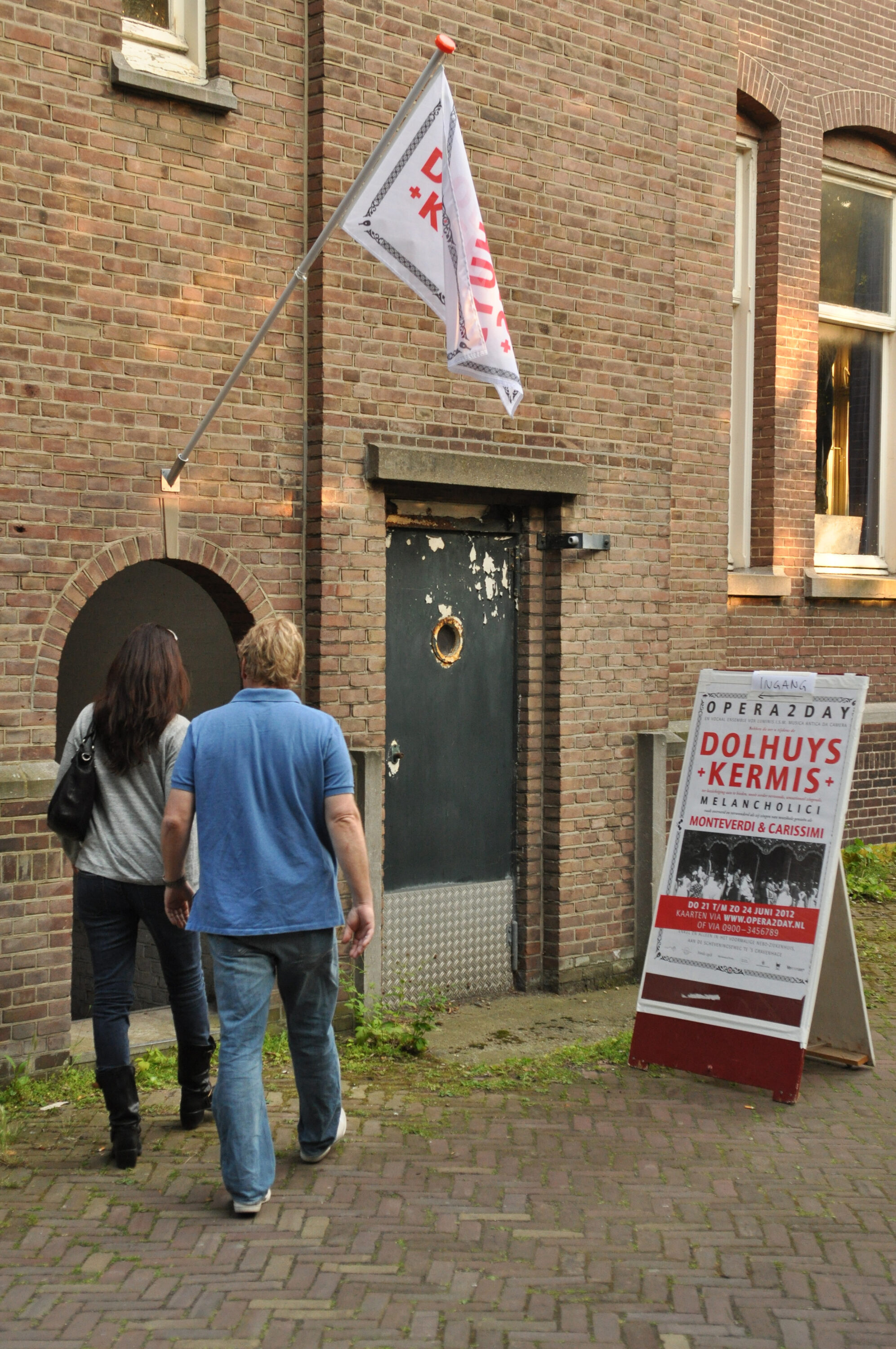
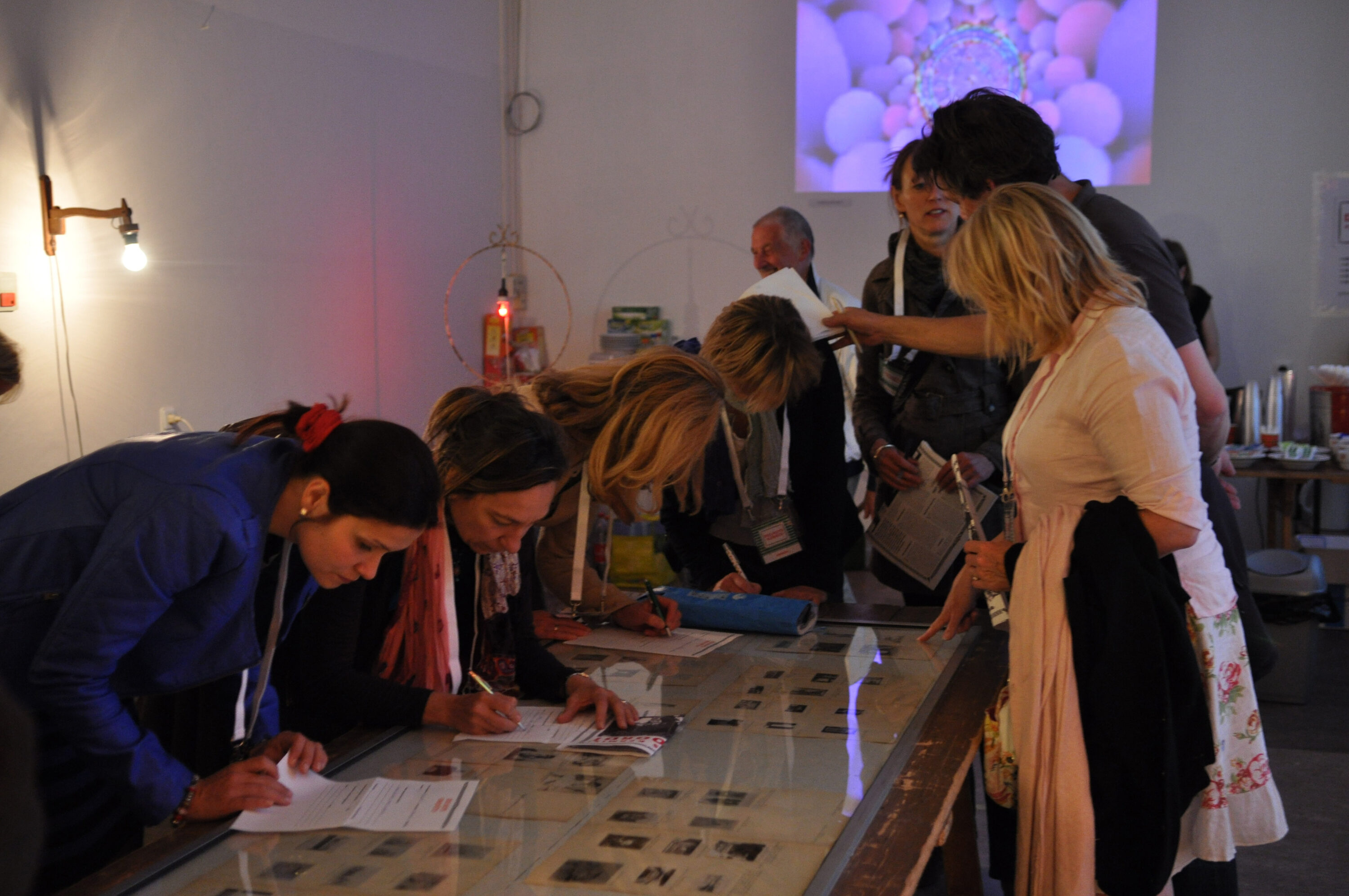
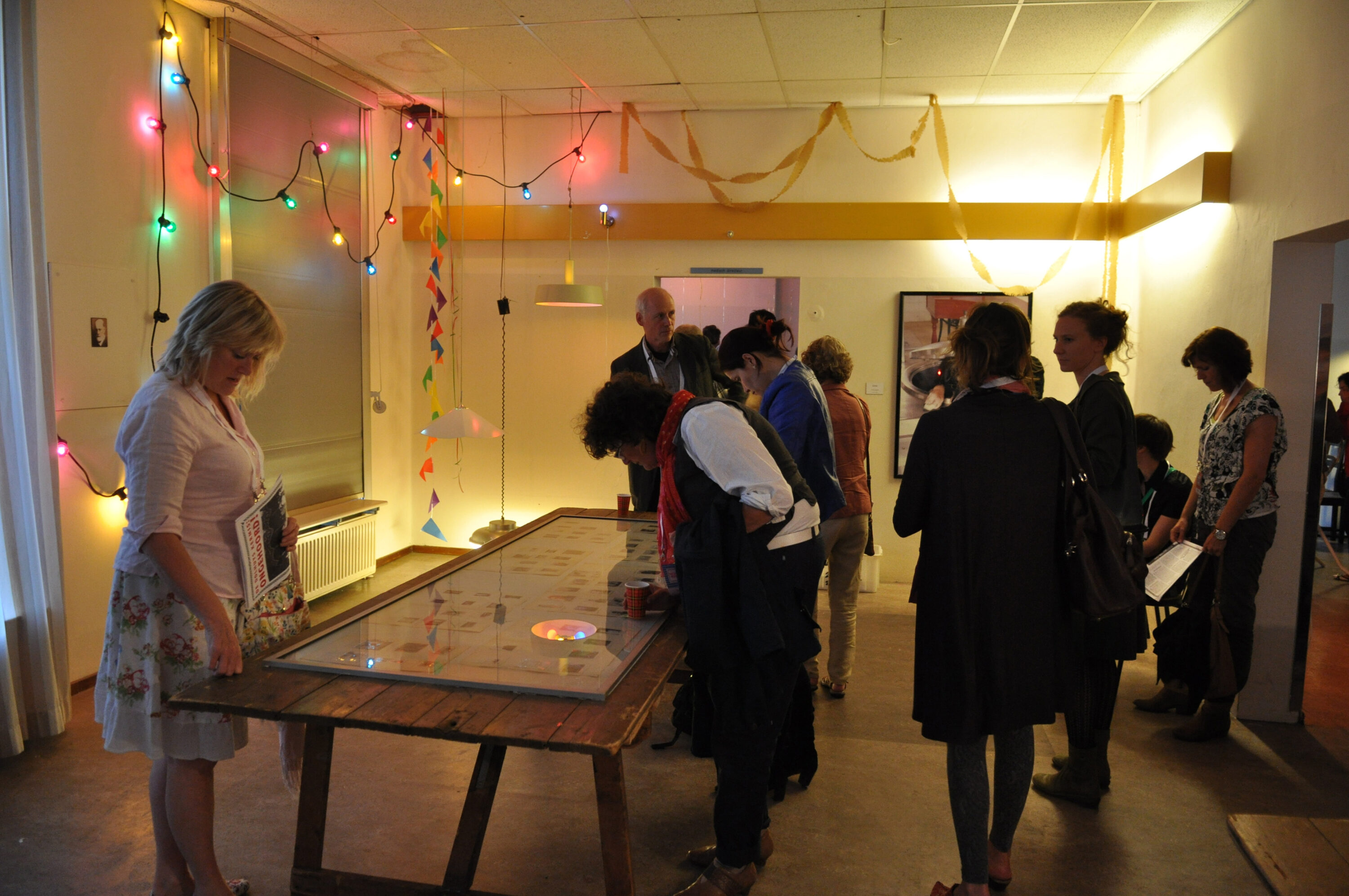
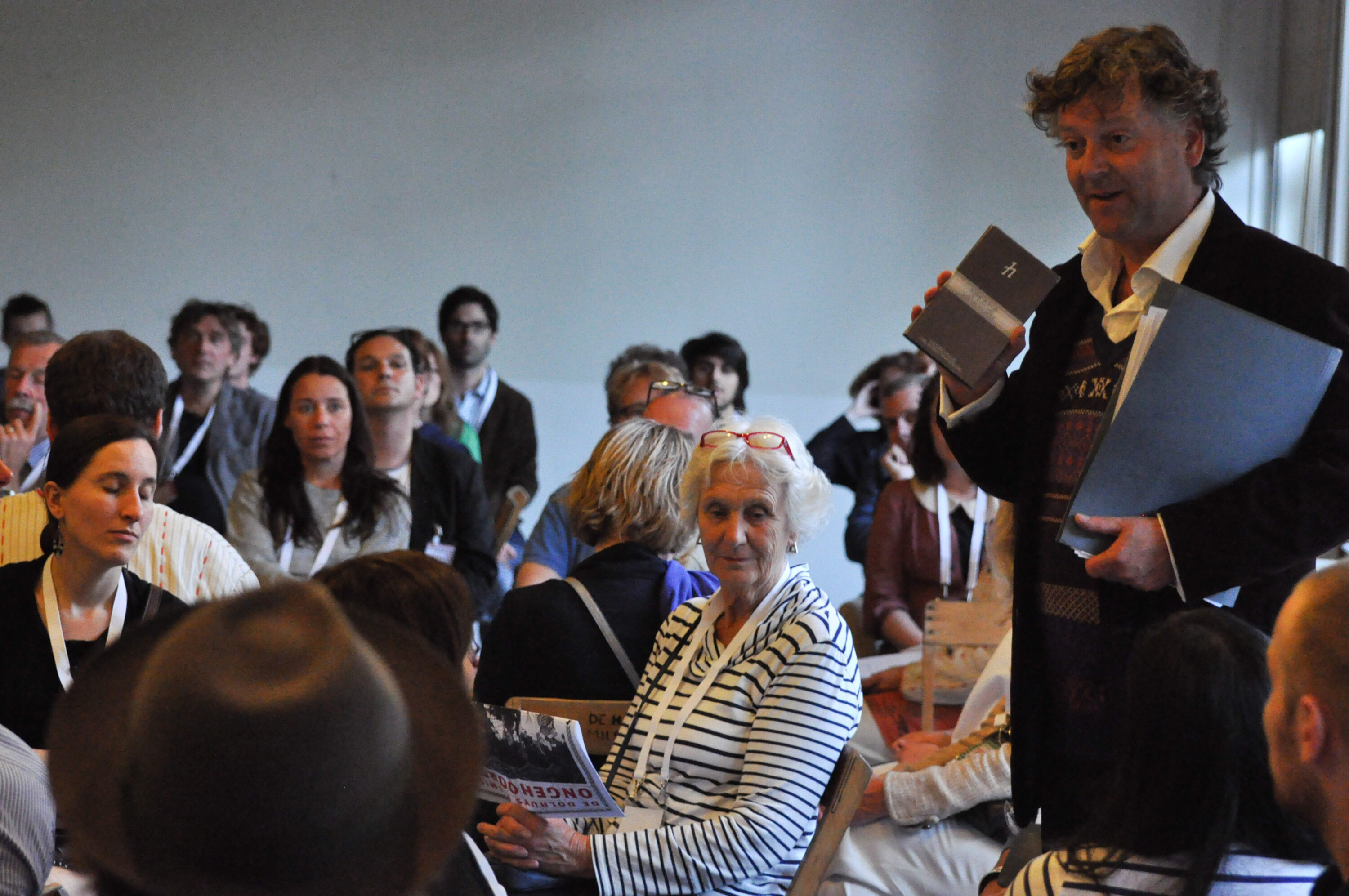
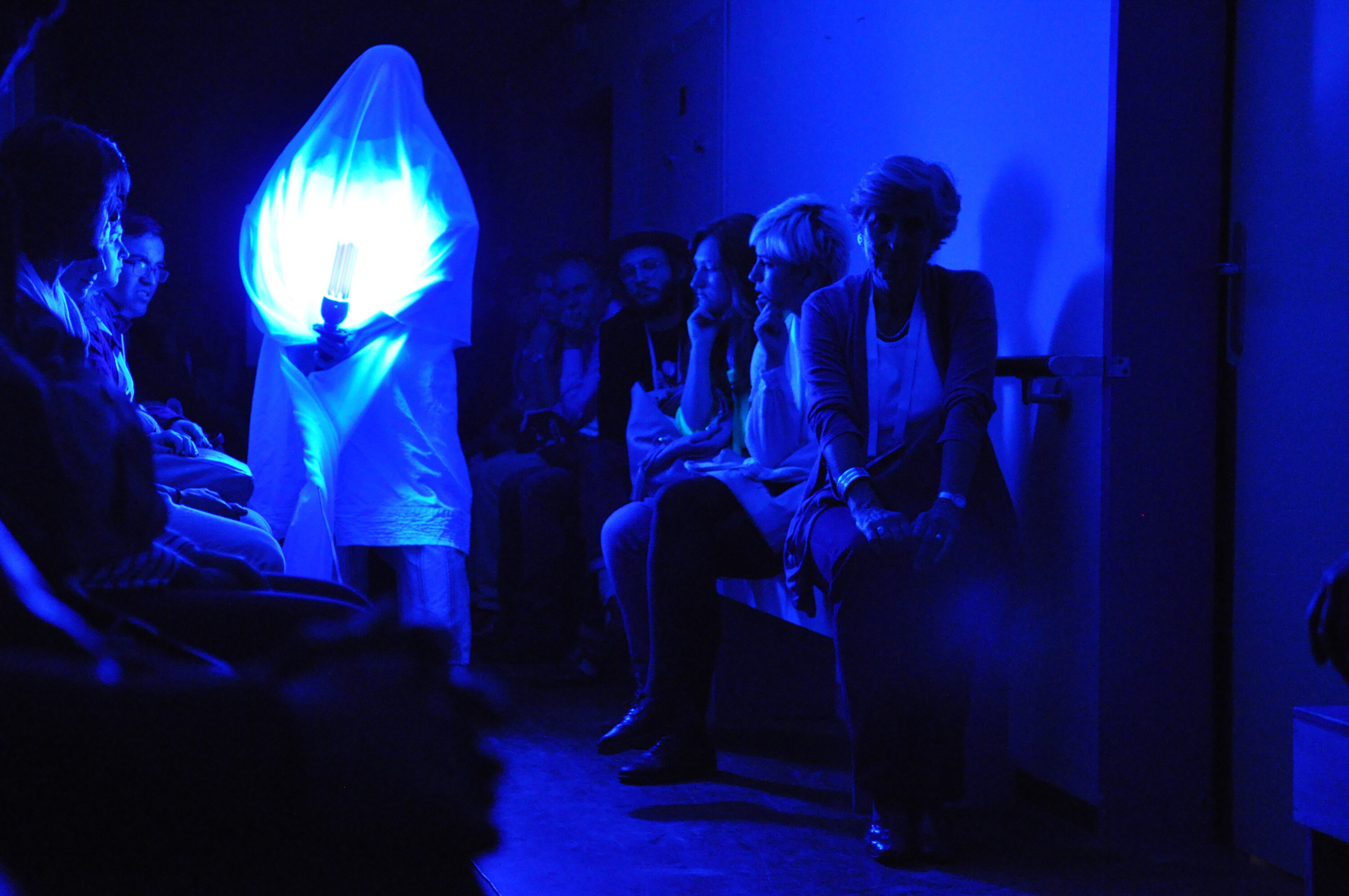
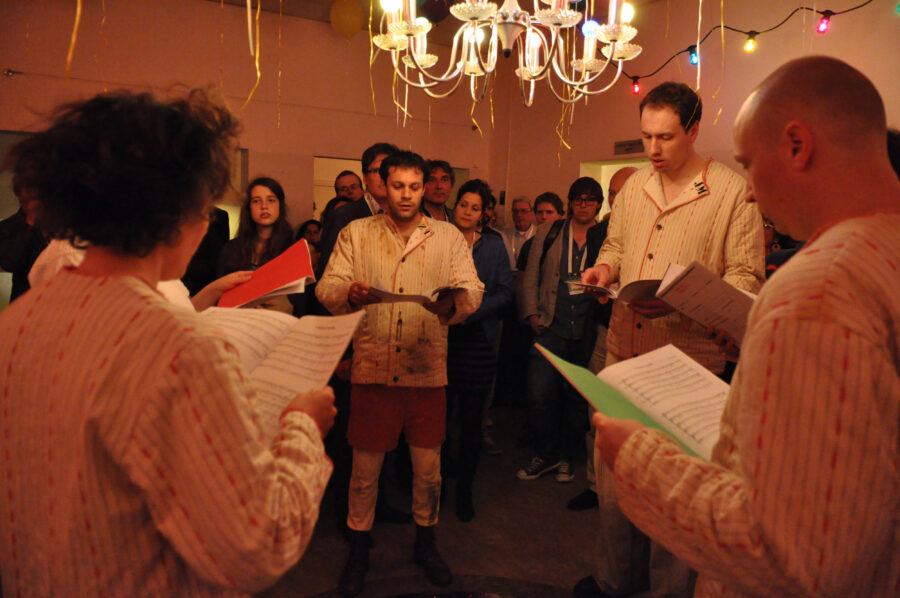
Imagine this: a guided tour through the local psychiatric institution, where you are allowed to look at – and even touch – the patients. You gaze, for a fee, at your fellow human beings. Unthinkable? From the 15th to the 18th century, this truly took place in the so-called madhouses, during the annual “Dolhuys Fair.” OPERA2DAY brings this remarkable historical phenomenon back to life in the former NEBO hospital on the Scheveningseweg in The Hague, where the audience can embark on a journey past a series of moving musical portraits. Touching vocal music blends with surprising theatre.
MADNESS OR MELANCHOLY?
Not so very long ago, almost everything that fell outside the accepted social norms was considered “mad”: from the mentally ill, epileptics, the intellectually disabled, rioters, and addicts to elderly people suffering from dementia. Their symptoms were seen as forms of “melancholy,” which at the time was synonymous with madness.
LAMENTS FROM THE MADHOUSE
That same melancholy inspired composers such as Monteverdi, Carissimi, and Fontana to create not only their most beautiful but also their most extraordinary compositions. Often these took the form of lamenti: laments with an exceptionally dramatic and expressive style. Frequently the music was built around a descending bass line, repeated again and again, drawing the listener into a melancholic state.
ANOTHER ROUND!
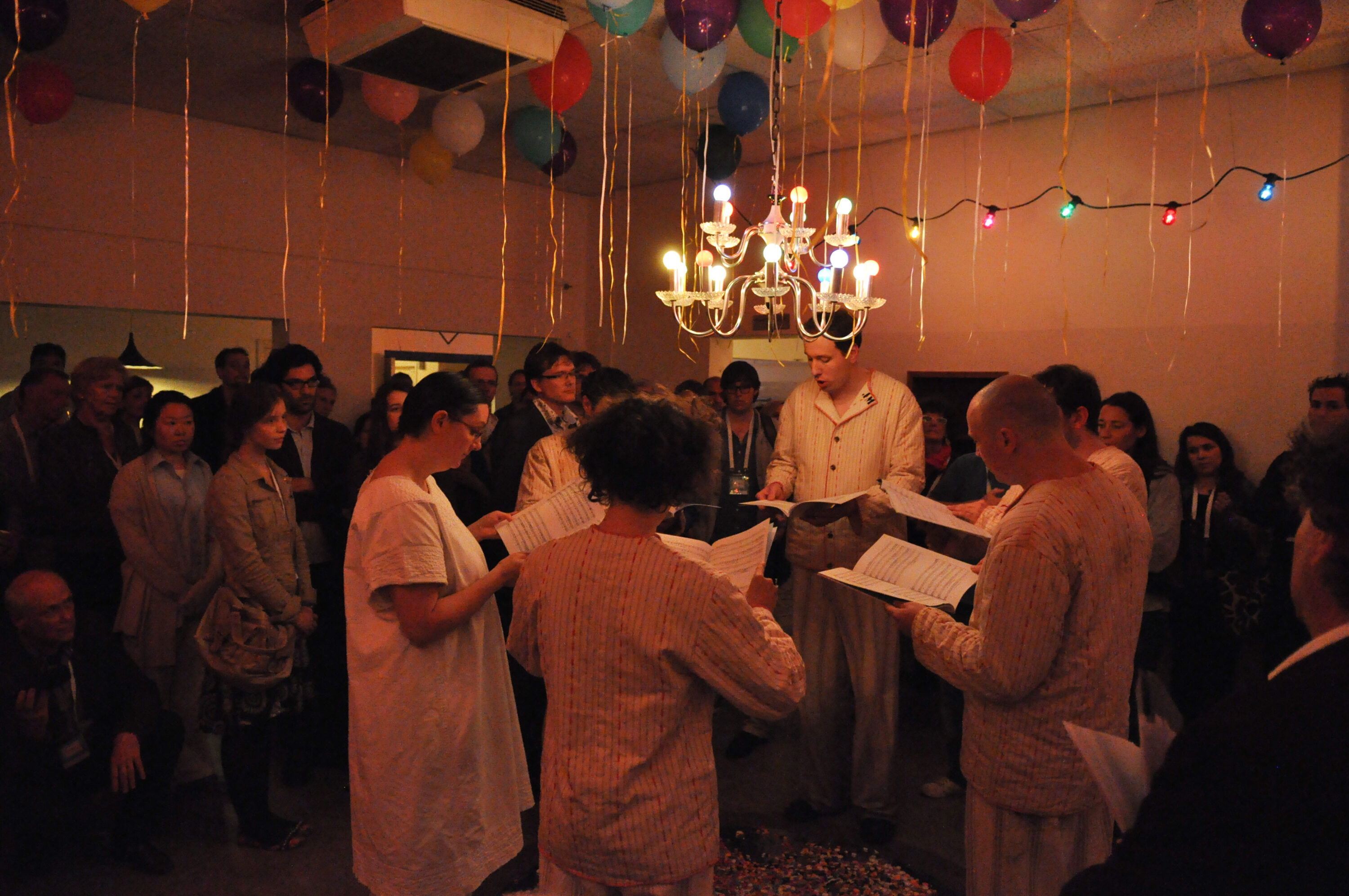
At the Dolhuys Fair we literally guide you past the most beautiful and astonishing lamenti from the decades around 1600. Let yourself be swept away by the melancholy of love in Monteverdi’s fabulous Lamento della ninfa. See how an isolated patient imagines herself as the imprisoned Queen Mary Stuart in the death cell, to the rarely moving music of Carissimi. But also discover the humorous Lamento dell’impotente, and how in the kitchen a young Madre Ebrea (Hebrew mother) wants to devour her own child – an early example of postnatal depression. We will gladly explain the “symptoms,” based on surprising insights from the 17th century.
TOP ARTISTS, WONDERFUL MUSIC!
OPERA2DAY continually reinvents the centuries-old opera tradition in a contemporary form. For the musical performance of the Dolhuys Fair, the company collaborates with the singers of Vox Luminis, described by Early Music Review as “an extremely impressive young vocal group.” The ensemble, largely trained in The Hague, is currently achieving international acclaim.
Their most recent CD was named Record of the Year 2012 by the leading British music magazine Gramophone, and also won the Diapason d’Or. The singers are accompanied by OPERA2DAY’s Baroque Ensemble. In addition, an ensemble of actors directed by René M. Broeders takes part. The entire performance is under the musical direction of conductor Hernán Schvartzman, while the staging is by OPERA2DAY’s artistic director Serge van Veggel, who also developed the concept and compiled the production.
The music
– Lamento della ninfa – Claudio Monteverdi
– Zefiro Torna – Claudio Monteverdi
– Lamento della regina Maria Stuarda – Giacomo Carissimi
– Lamento dell’impotente – Fabrizio Fontana
– Lamento della Madre Ebrea – Antonio Cesti
– De lamentatione Ieremiae Prophetae – Anonymous (Gregorian)
– Excerpts from L’Humore musicale – Orazio Vecchi
A series of sold-out performances. A listing in the NRC Handelsblad top five of best productions. And many deeply moved responses from audience members.

In the press
The reactions to Dolhuys Kermis were overwhelming and enthusiastic. In NRC Handelsblad, the performance was selected as one of the top five best shows of 2012 (music category – chosen by critic Floris Don). Earlier, under the headline “Disturbed Patient Can Sing Beautifully,” the newspaper published the following review:
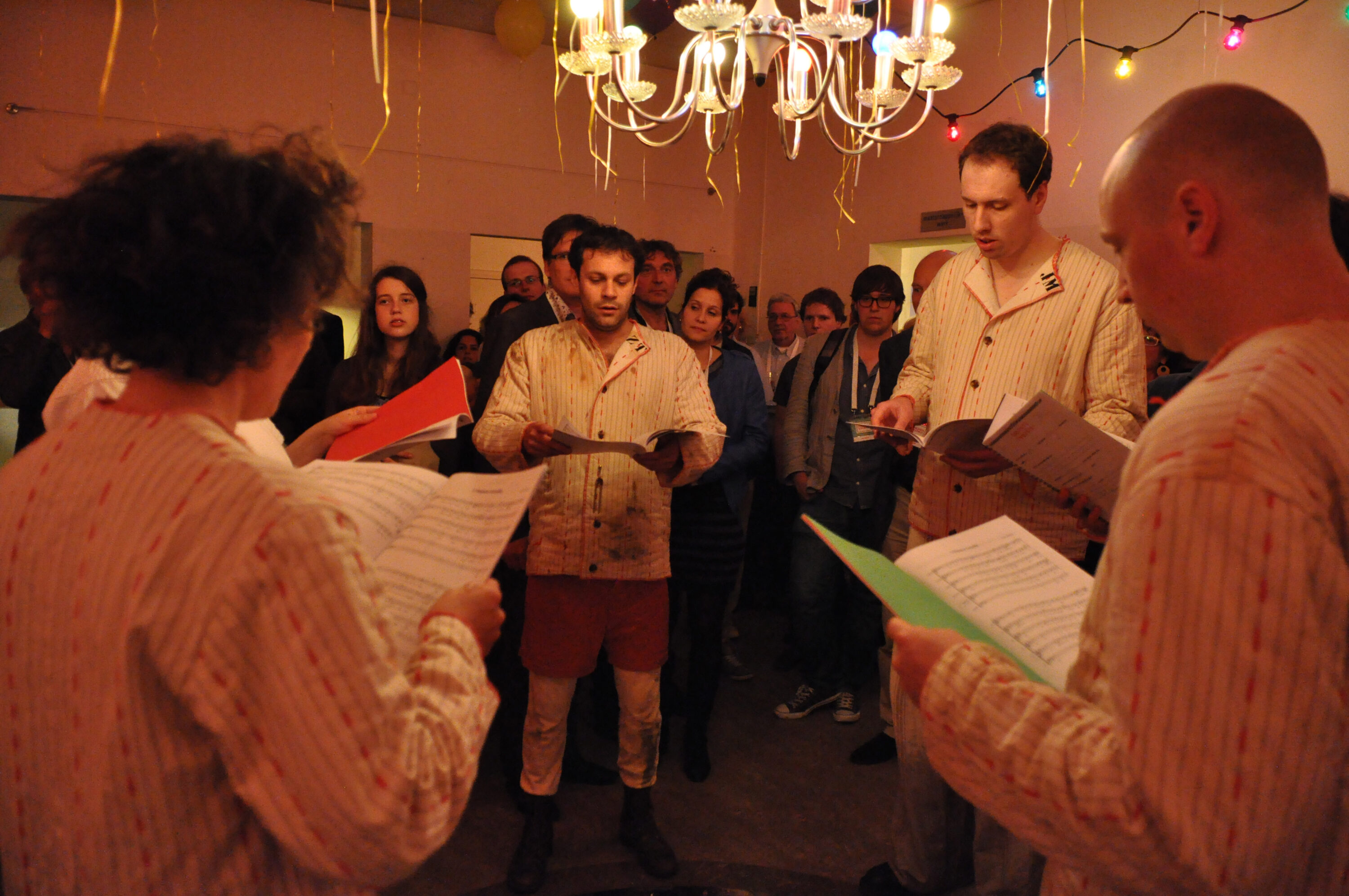
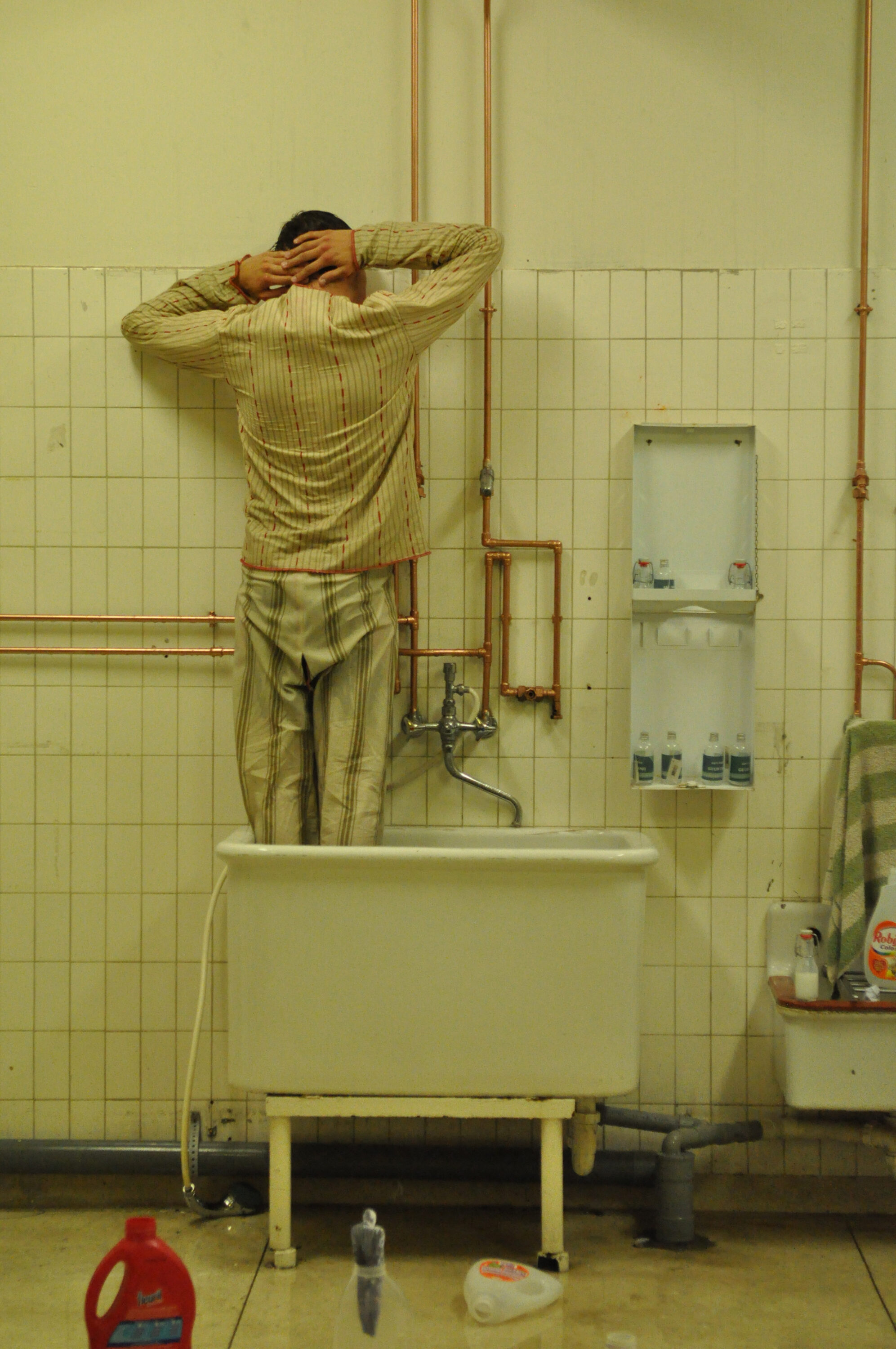
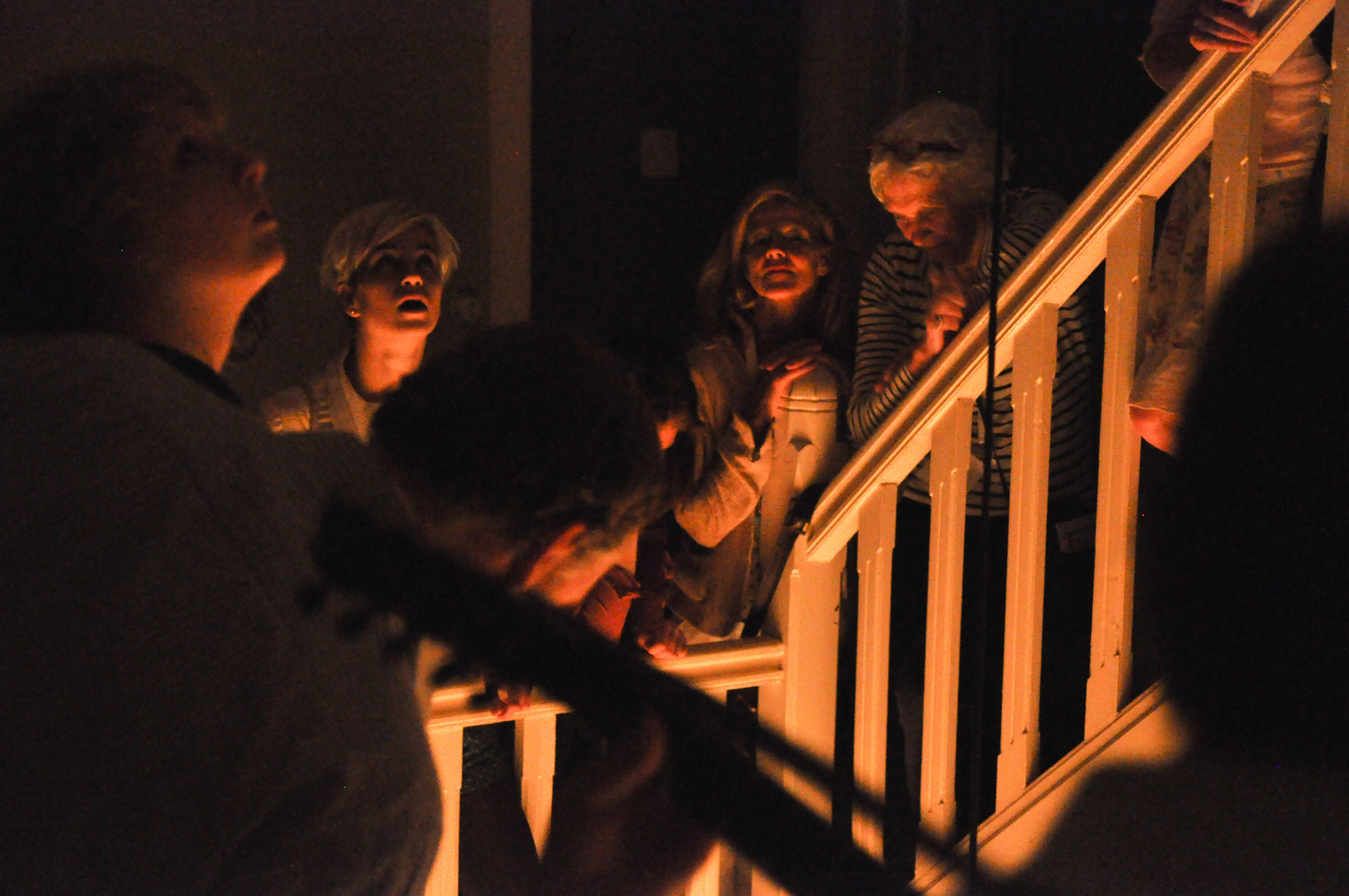
*”Paying to look at the insane: for many 16th- and 17th-century madhouses, this was a good source of income. Visitors could gawk at the mentally ill, addicts, and perhaps the occasional melancholic patient. These melancholics, however, were taken seriously by the composers of their time, as shown in OPERA2DAY’s Dolhuys Kermis, a wonderful mix of site-specific and musical theatre.
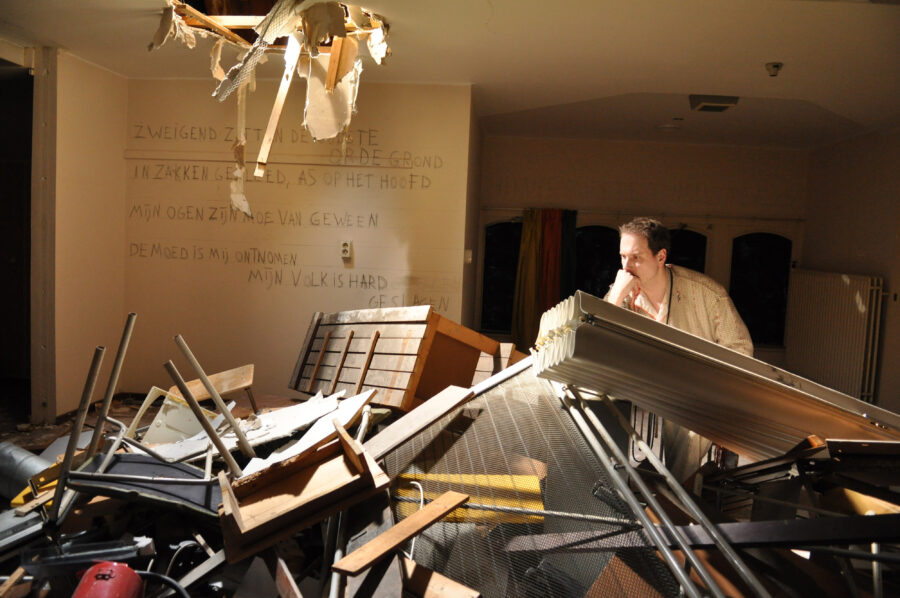
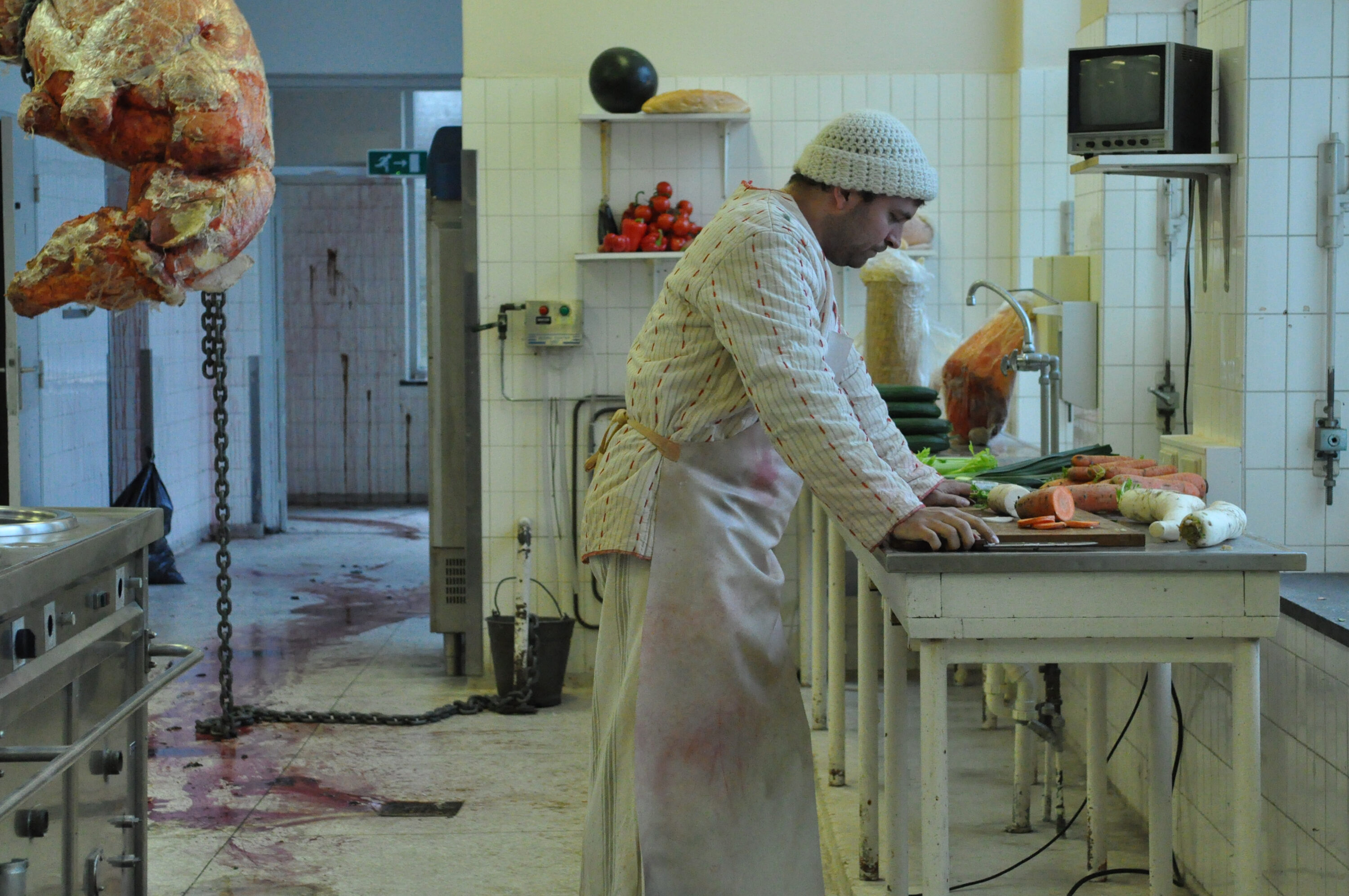
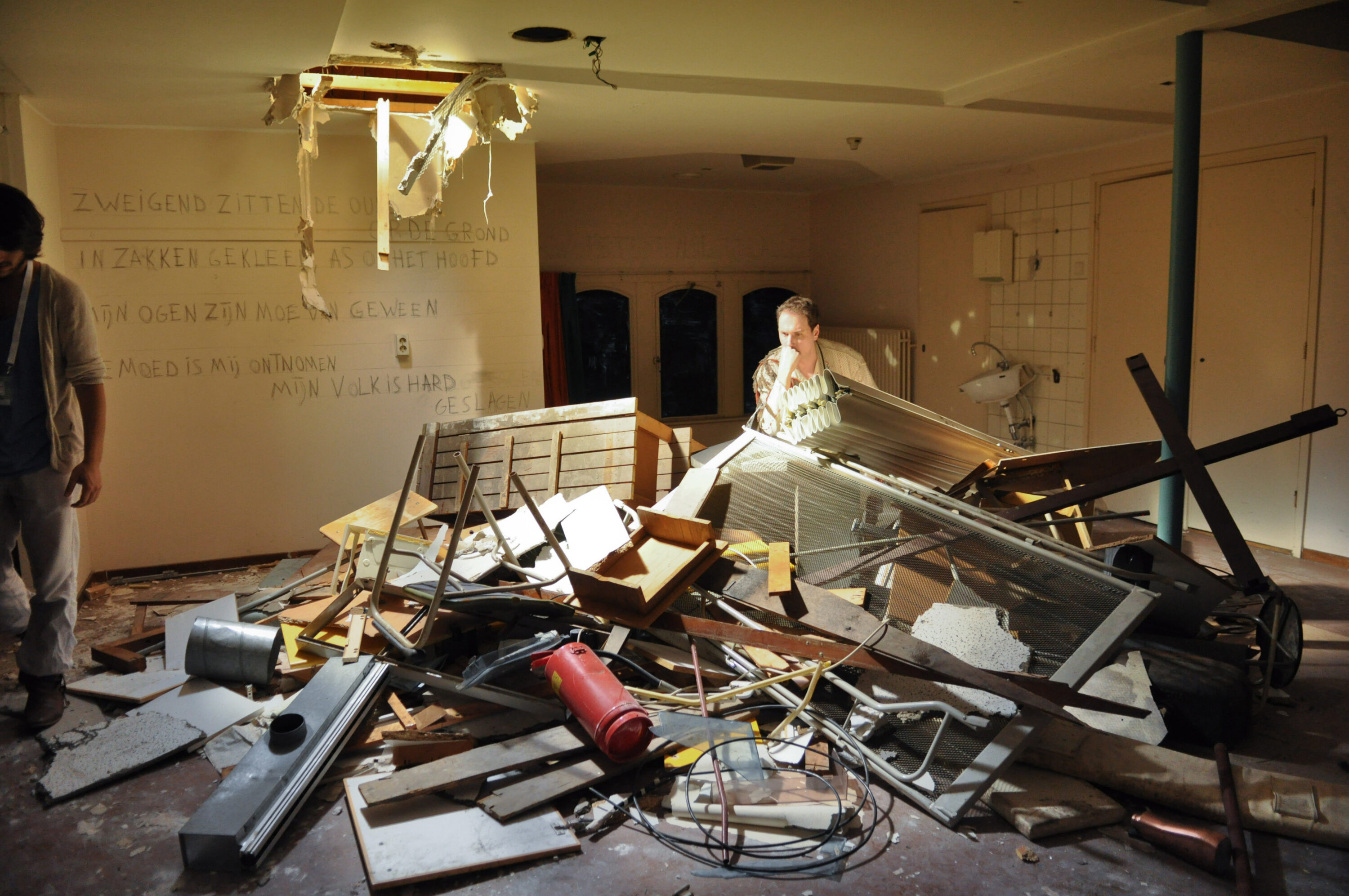
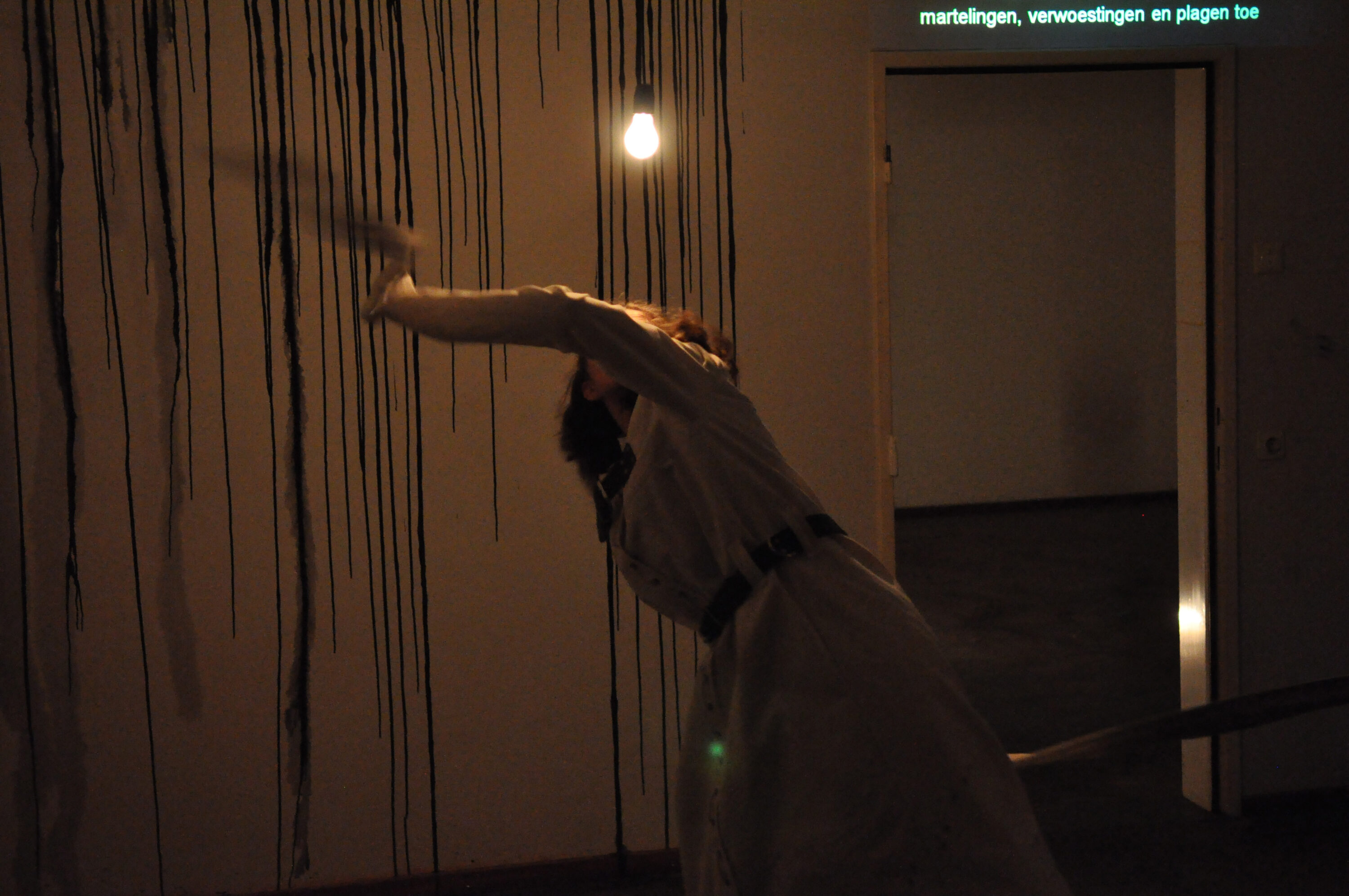
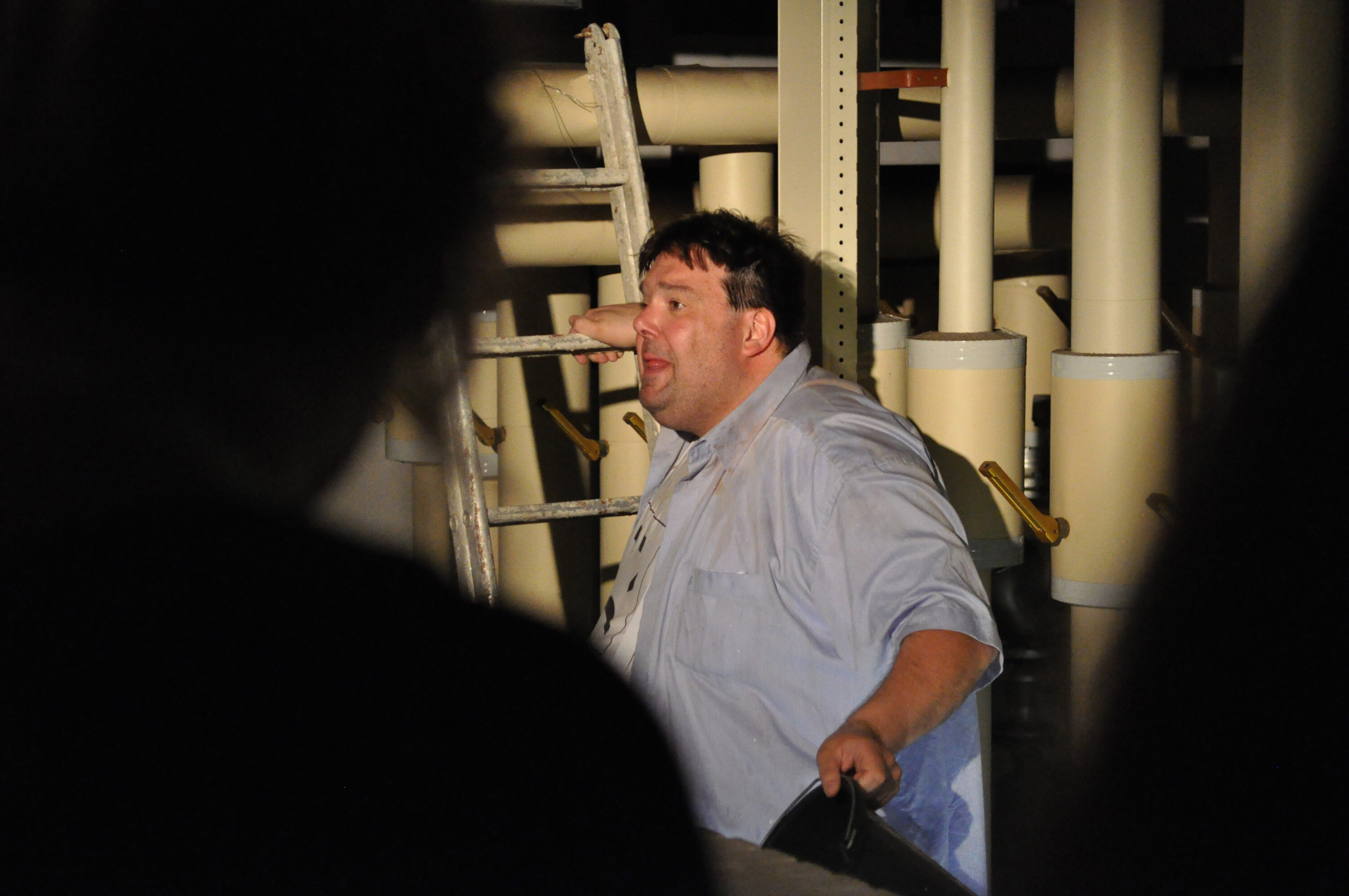
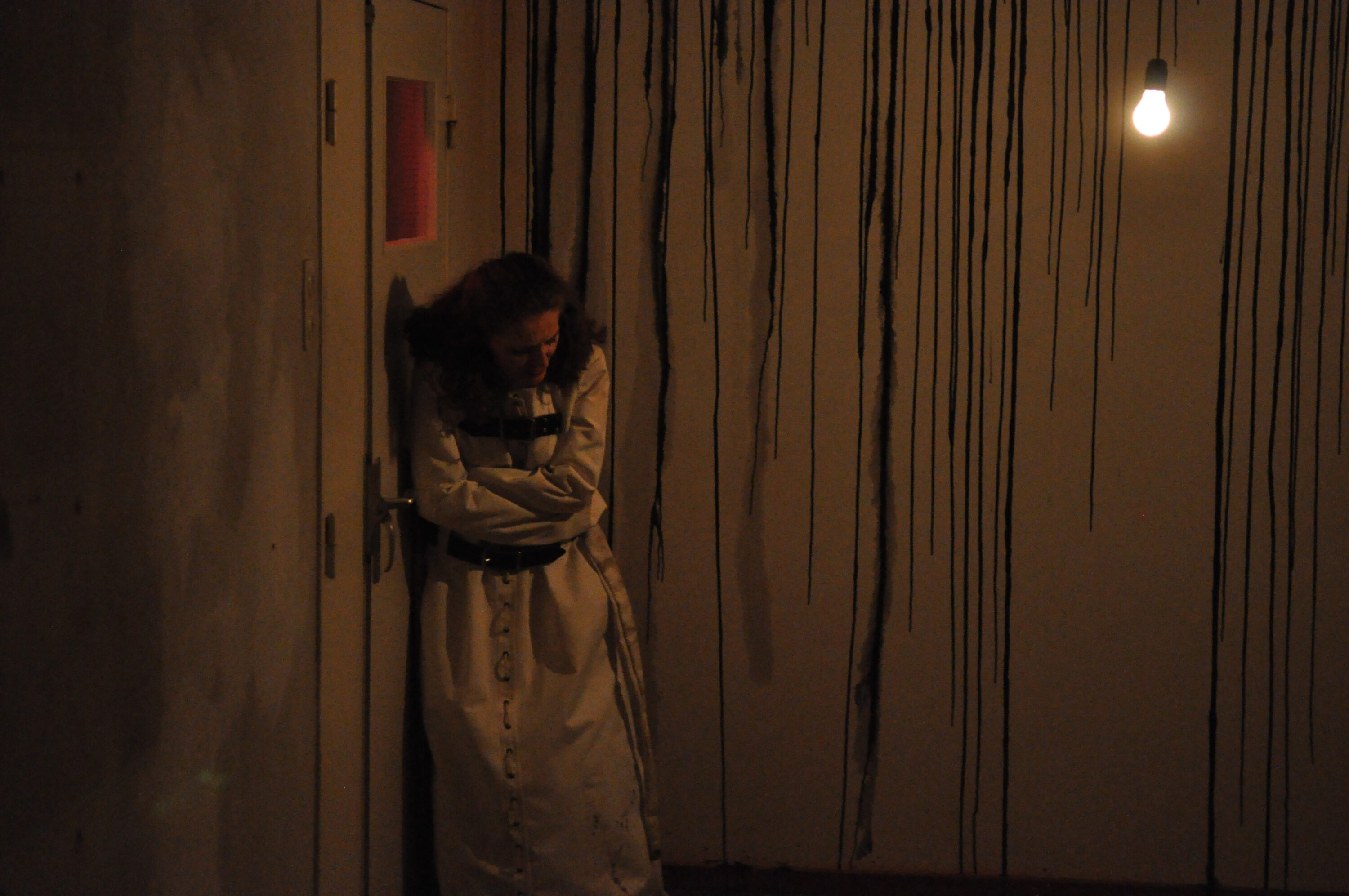
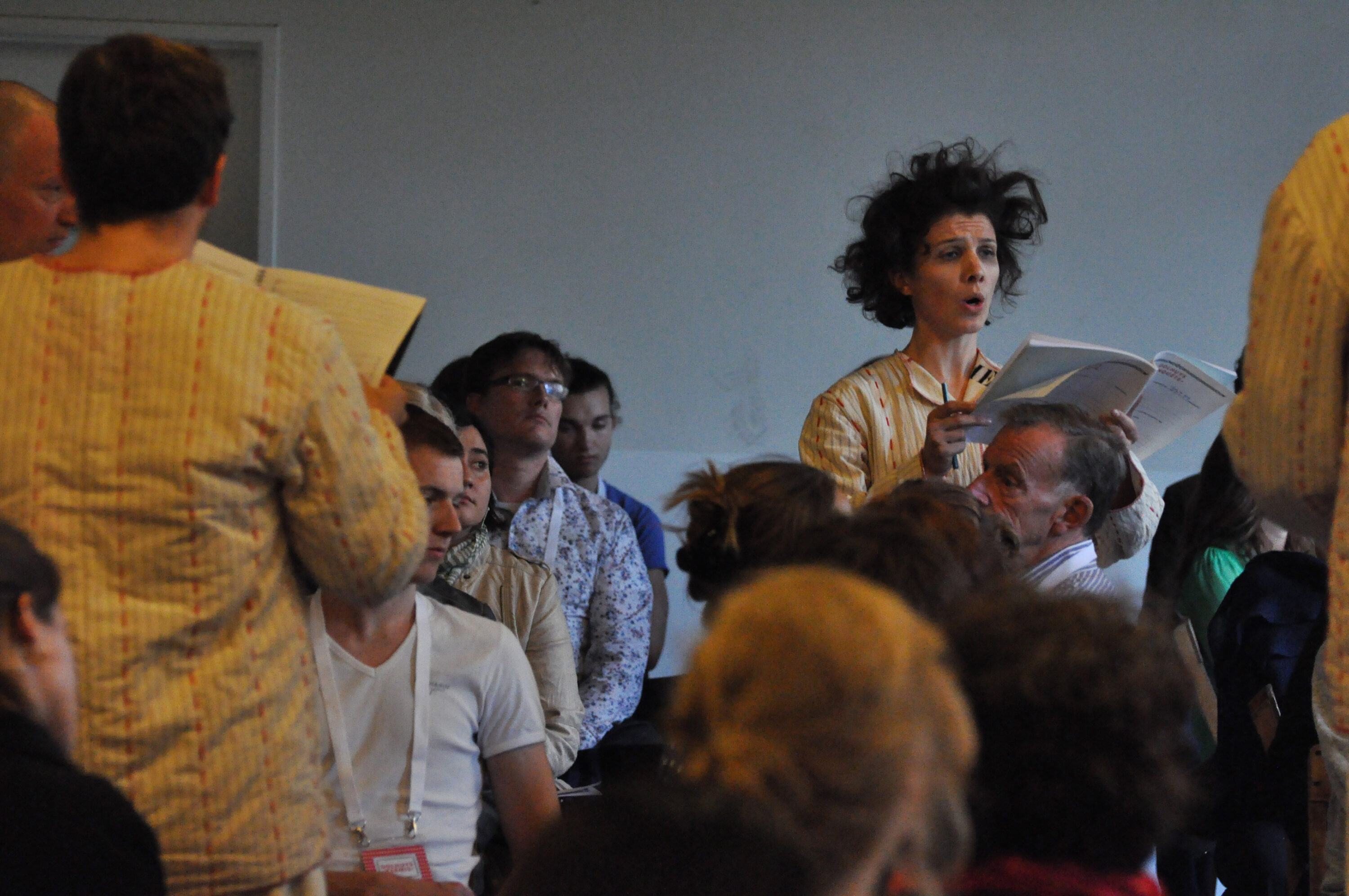
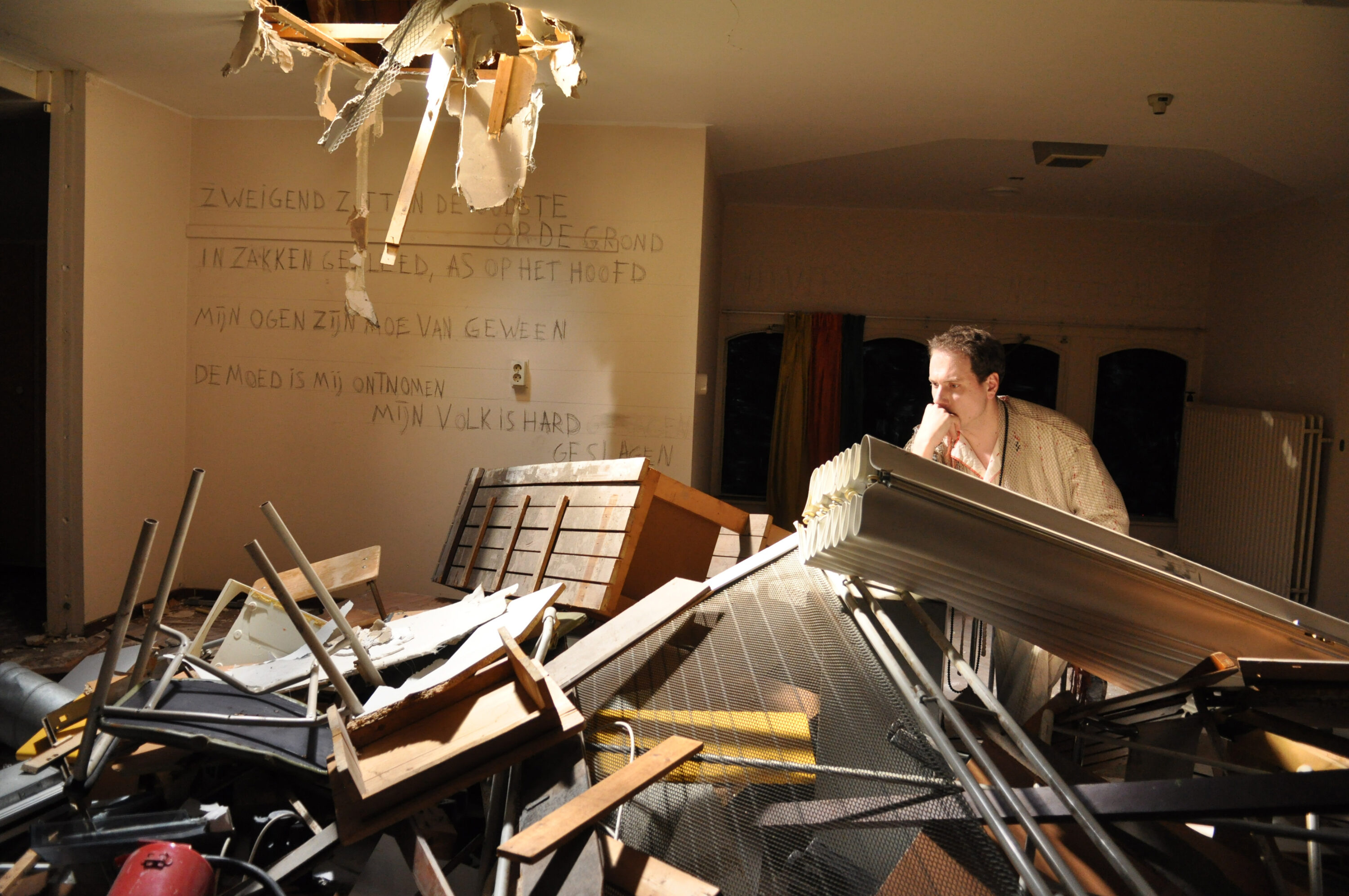
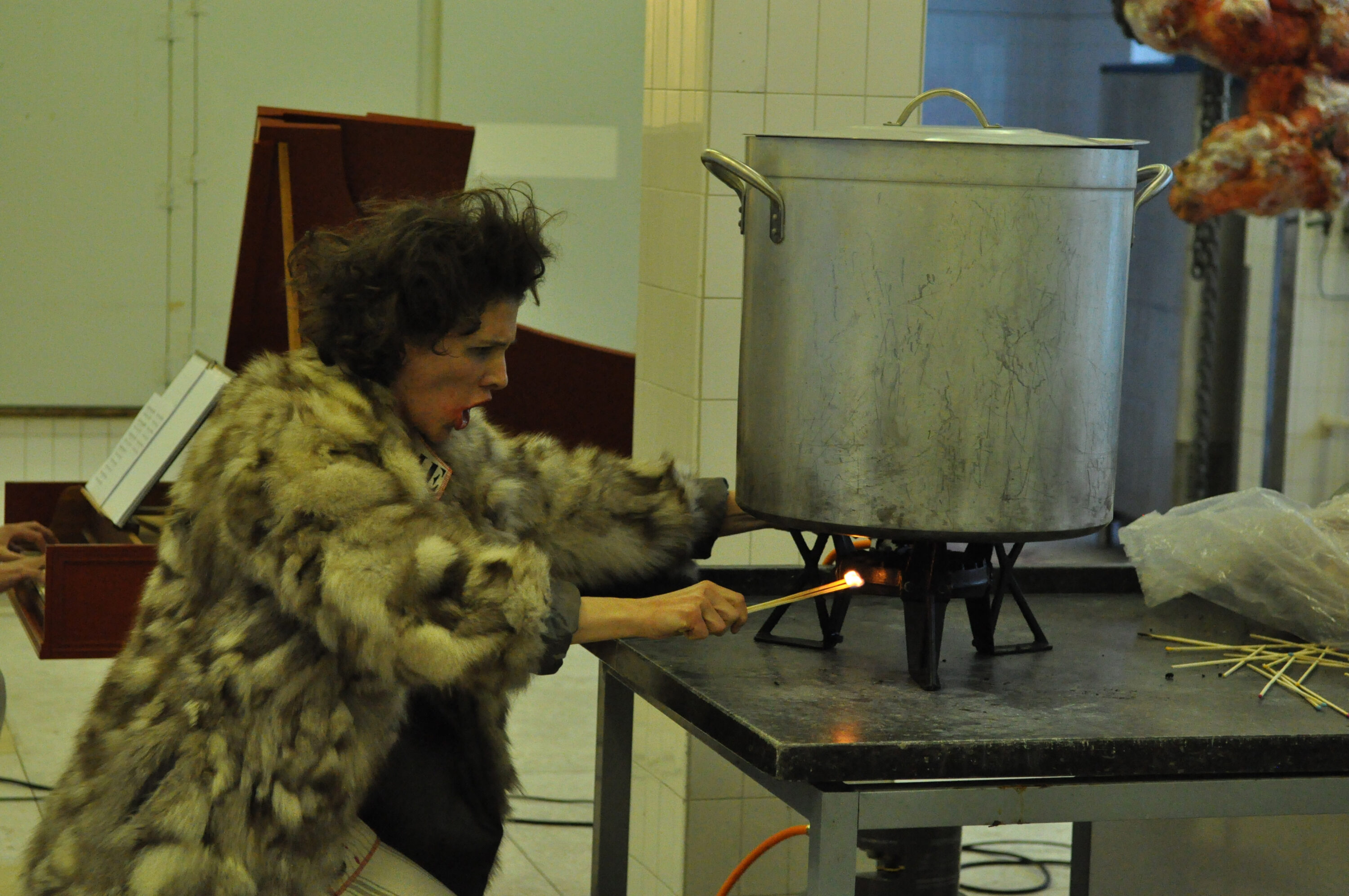
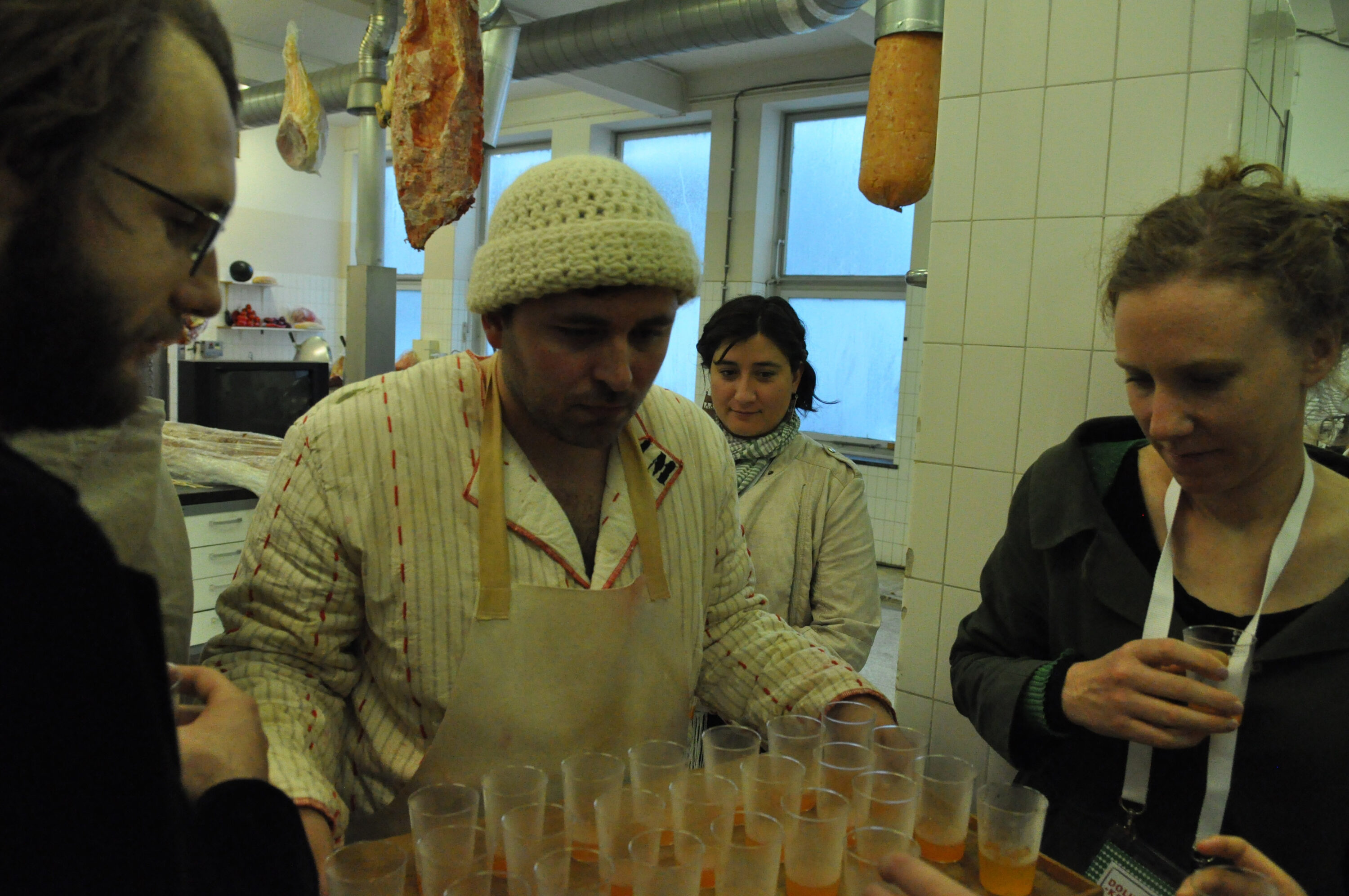
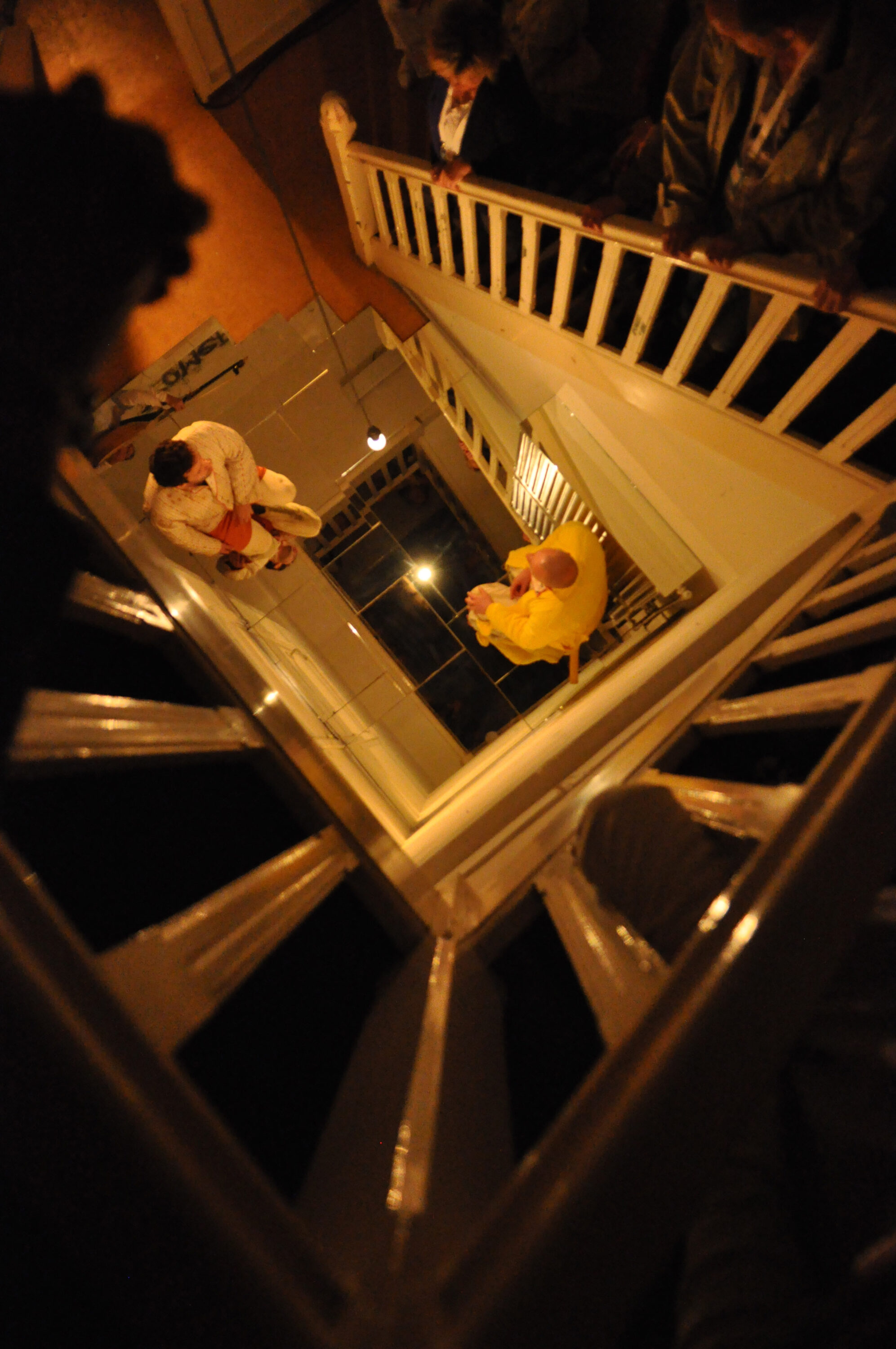
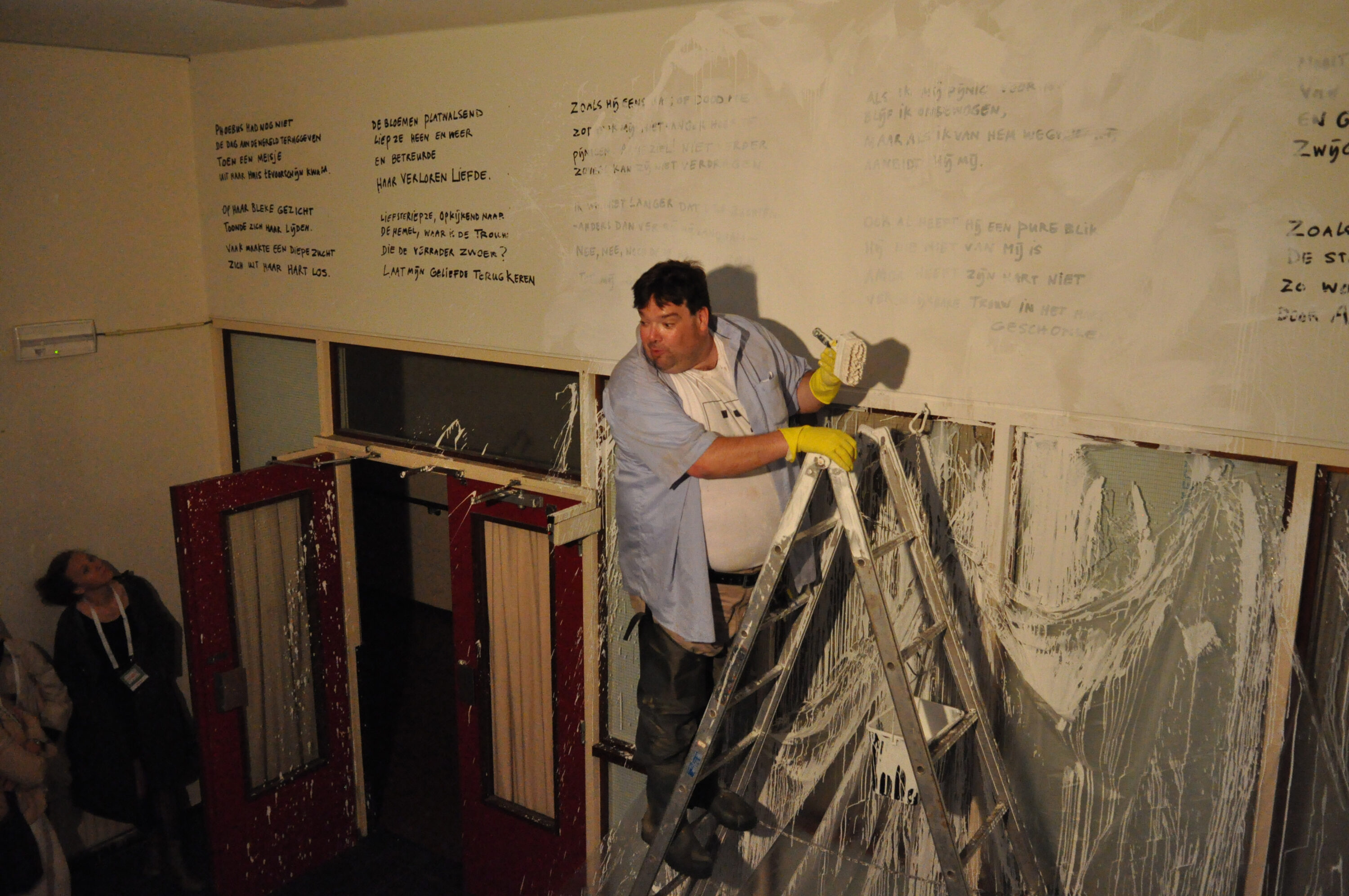
In a macabre former hospital in The Hague, you encounter various ‘patients.’ They suffer from different syndromes but can fortunately sing beautifully. One patient believes she is Mary Stuart and dangerously swings the sleeves of her straitjacket while singing Carissimi’s Lamento della regina Maria Stuarda. In the attic, a depressed man stares at a pile of rubble while intoning a Gregorian lament. And in the blood-stained kitchen, a woman places a huge pot on the stove. Disturbing: her Lamento della madre ebrea tells of a mother who wants to devour her own child.
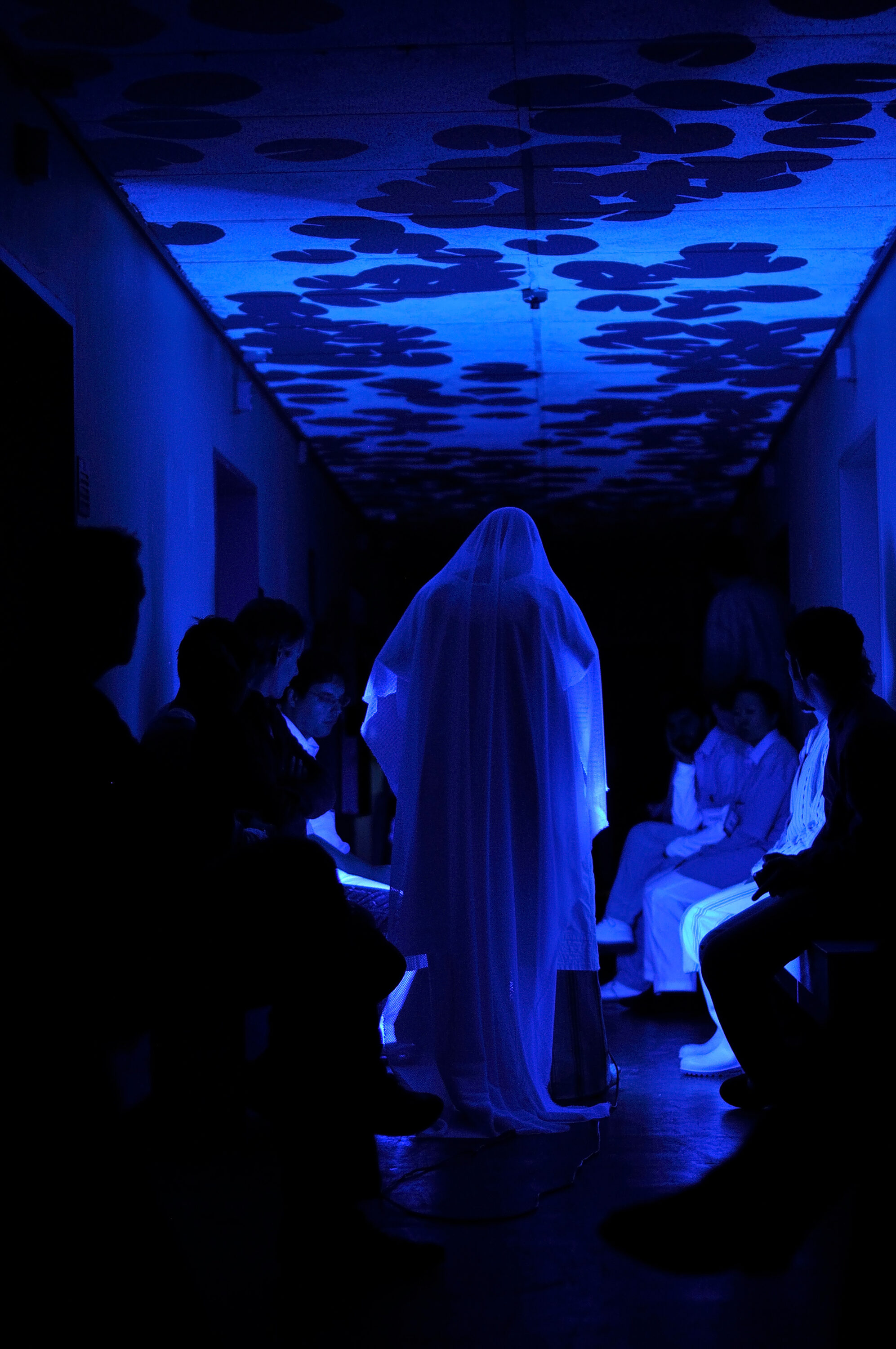
The moral of Dolhuys Kermis is: listen carefully first, rather than locking people away immediately. But OPERA2DAY also demonstrates how, with minimal means, you can create stunning scenes. The highlight is Monteverdi’s Lamento della nimfa, staged in a dark corridor that transforms into an underwater world. The soprano drowns in her love-sick sorrow – and so does the audience.”*
According to Place de l’Opera, “In the old NEBO hospital […] everything that happens in OPERA2DAY’s new site-specific performance, everything the audience hears and sees, has a truthfulness that is both witty, poignant, and oppressive.” Dolhuys Kermis is “a highly developed site-specific production in which everything has been done to make the audience feel and experience the confrontation between the ‘normal’ outside world and the madness within.”
Enthusiastic audience
“I saw the final performance on Sunday evening and found it, along with a number of shows I experienced at the Operadagen R’dam, to be one of the most impressive performances of the year. The location certainly helped – the almost ghostly building, where the atmosphere of the past is still so palpable, the actors, the excellent singers and instrumentalists who performed their lamentations in a often very intense and direct way across the various floors, corridors, and rooms – all of this together left a very strong impression. Compliments on how it was all put together. The fulfillment I sometimes miss in, for example, Parsifal, I found here completely.” – Gerard (on www.operamagazine.nl)
“Dolhuys Kermis by #Opera2day in an old hospital in The Hague: wow, site-specific theatre at its best!” – @Teunifrau (www.twitter.com)
“Really stunning #Dolhuys Kermis by #opera2day. Fantastic!!!!” – @NilsNoord (www.twitter.com)
“Just attended the performance Dolhuys Kermis. What an experience, wonderful!!!” – @BasBooister (www.twitter.com)
“Beautiful performance Dolhuys Kermis, site-specific theatre with magnificent singing” – @audringje (www.twitter.com)
“Absolutely beautiful performance” – @mmmenno (www.twitter.com)
Scenefoto's
Video
Video
Artikel
Artikel
Dolhuys Kermis was made possible by






Coach baroque acting
Jed Wentz has worked as a flutist, conductor and teacher within the discipline of Early Music since 1986. With his ensemble Musica ad Rhenum he recorded more than 30 CDs and toured three continents. He is assistant professor at the Academy of Creative and Performing Arts at Leiden University and teaches rhetoric at the Royal Conservatory of The Hague. His current research revolves around the relationship between music and acting, 1680-1930. He has published articles in Cambridge Opera Journal, Journal of the Riemenschneider Bach Institute and European Drama and Performance Studies. He recently contributed an essay to Early Music in the 21st Century, published by Oxford University Press. He regularly performs as actor and reciter with the early music ensemble Postscript, and has created a number of scores to accompany silent film. He is also artistic advisor to the Utrecht Early Music Festival in The Netherlands.
Countertenor
Oscar Verhaar began his career as a boy soprano and earned his master’s degree in Early Music at the Royal Conservatoire in The Hague, where he studied with Michael Chance, Jill Feldman, Lenie van den Heuvel, and Peter Kooij. He also studied musicology in Utrecht and Vienna, and participated in masterclasses with teachers such as Ian Bostridge, Carlos Mena, and Kees Boeke. He was selected for the Academy of Jordi Savall’s Fundacío CIMA, was a laureate of the Fondation Royaumont, and a Young Bach Fellow of the Netherlands Bach Society.
Oscar specialises in medieval and baroque music, but he also regularly performs contemporary music, such as the world premiere of the opera Humanoid, composed by Leonard Evers. In working with early music, Oscar delves into old manuscripts and books for background and inspiration. This research opens up new avenues for unfamiliar repertoire that can also provide new insights into familiar pieces.
In 2024, Oscar and orchestra La Sfera Armoniosa recorded a CD for label Challenge Classics featuring arias about freedom by G.F. Handel. In 2025-2026, Oscar will be heard in the opera Queen Mary, based on music by Henry Purcell.

Countertenor
British countertenor James Hall is recognised for the combination of technical security, interpretive depth, and dramatic authority he brings to repertoire ranging from baroque to contemporary opera. He appears widely in opera, concert, and new music contexts across the UK and Europe.
James has originated roles in new works by David Bruce (Nothing, Glyndebourne), Laurence Osborn (The Mother), and Rolf Hind (Sky in a Small Cage), and created the role of Strumpet Ginger in Masque of Might, Opera North’s devised Purcell eco-opera. His operatic work has taken him to major houses and festivals including Glyndebourne, Bayerische Staatsoper, Maggio Musicale Fiorentino, Badisches Staatstheater Karlsruhe, Deutsche Oper Berlin, the Venice Biennale, and Broadway, where he appeared as Farinelli in Claire Van Kampen’s Farinelli and the King alongside Mark Rylance.
On the concert platform, Hall has collaborated with ensembles including The Monteverdi Choir, Collegium Vocale Gent, The English Concert, Concerto Copenhagen, the Dunedin Consort, Irish Baroque Orchestra, Early Opera Company, and Les Musiciens de Saint-Julien, performing at venues such as Carnegie Hall, Wigmore Hall, the Royal Festival Hall, the Concertgebouw, the Barbican, the Palace of Versailles, and the Wiener Konzerthaus.
His debut recording Elegy, made with fellow countertenor Iestyn Davies, was nominated for a Gramophone Award. He has recorded for Hyperion, Phi, and Vivat.
Operatic performances in 2025-2026 include Joachim in Handel’s Susanna for Opera North, Ivan Vane in the world premiere of Elena Langer’s To Die For: A Comedy with Nederlandse Reisopera, Hercules in Handel’s The Choice of Hercules for the London Handel Festival, and Cake and Berghahn in Jonathan Dove’s Itchalongside the Cheshire Cat in Will Todd’s Alice in Wonderland for Opera Holland Park.
Circusartist
Saana Tolonen is a circus artist from northern Finland, currently based in Rotterdam in the Netherlands. Working primarily with aerial hoop, she explores the edges of aerials, acrobatics, and contemporary circus, constantly seeking new physical and expressive possibilities. Her work is influenced by movement and theatre, and she finds inspiration in collaboration and interdisciplinary exchange.
She holds a bachelor’s degree from the Circus School at Turku University of Applied Sciences (2017) and is a graduate of Codarts University of the Arts (2020). Saana has worked with different directors and creators, including Daniel Gulko, Francesco Sgró, Lennie Visser, Cécile Da Costa, Lotte Mueller and Julía Campistany.
In addition to performing, Saana develops her own circus projects, such as a video-circus performance created for the OIJOIJOI! Festival in Tampere, Finland. She is also part of the Sisko collective, a collaboration between three sisters working across artistic disciplines.
Circus artist
Alejandro García Bustos is a circus artist born in Mexico City, Mexico, in 1999.
In 2018 he crossed the ocean to start his studies at the preparatory circus school Carampa in Madrid and later in 2020 at Codarts Circus Arts in Rotterdam. Shortly after his graduation in 2024 he joined the Belgian company Circumstances for their show Exit which he toured for two seasons.
Alejandro considers himself an all-round acrobat with a special love for teeterboard and trampoline, and he is overall just a “funny lad”.
Soprano
Lilian Tong is a soprano from Hong Kong, currently based in Rotterdam. She obtained her Master’s degree in Vocal Performance from Codarts Rotterdam Conservatory in 2018. Since completing her studies, she has established herself as an active performer across Europe, particularly in The Netherlands.
Her operatic highlights include Musetta in La Bohème at the Shaw Theatre in London, Serpina in Pergolesi’s La Serva Padrona with Hollands Diep Zomer Opera, and Despina in Così fan tutte with Codarts Opera Lab. She has also appeared in the world premiere of Seconds of Fear at the Dutch National Opera and performed at Operadagen Rotterdam.
Beyond opera, Lilian is an active and versatile concert soloist. She has appeared as soprano soloist in major works such as Messiah, Johannes-Passion, Matthäus-Passion, Weihnachtsoratorium, The Armed Man, and Rutter’s Requiem. She made her Concertgebouw debut in 2023 and was a finalist in the Corsica Lirica International Competition. In the same year she won First Prize at the Aphrodite Voice Competition.
Soprano
Ruoran Ma is a Chinese soprano currently pursuing her Master’s in Classical Voice at Codarts Conservatory in Rotterdam, studying with Professor Marcel Reijans. An acclaimed young artist, Ruoran has been awarded fourth prize and supraleitung method prize at the 3rd Basel International Vocal Competition. She has also been a semi-finalist at the Renata Tebaldi International Vocal Competition (2025).
Her recent engagements include solo performances in Mozart’s Requiem under Richard Egarr in Rotterdam, the role of Flaminia in Haydn’s Il mondo della luna at Codarts Conservatory, and participation in the Dutch National Opera’s Baroque Young Voice project, performing in Purcell’s Dido and Aeneas. She was selected for the Young Artist Project of the Openfest Prague and will perform in July 2026.
Ruoran has performed at notable venues such as the Beijing Concert Hall, Tokyo Opera City, and the China National Centre for the Performing Arts, and continues to build an international career in both concert and operatic repertoire.
Artistic Research
Belgian Femke Luyckx works as a dancer, aerial acrobat, choreographer, stunt coach, and assistant director. She has her own dance company, Compagnie KAIROS.
As a stunt coach, Femke has worked on projects including Stranger Things, Eurovision, 14, and Jesus Christ Superstar. She has collaborated with directors such as David Alden, Pierre Audi, Lotte de Beer, Simon McBurney, Robert Carsen, Romeo Castellucci, and Ivo van Hove, and choreographers such as Amir Hosseinpour, Jonathan Lunn, Anne Teresa De Keersmaeker, and Philip Giraudeaux. She has assisted at Dutch National Opera & Ballet, Opera Ballet Flanders, and the Netherlands Chamber Choir, among others.
Femke studied Classical Ballet at the Royal Ballet School of Antwerp and Contemporary Dance at Fontys School of Fine and Performing Arts in Tilburg and obtained her master’s degree in Choreography at Codarts and Fontys in 2023.
Femke has been working on OPERA2DAY productions since 2015, including La Révolution de Carmen, J.S. Bach – The Apocalypse, Song of the Dark Forest and Don Quichot.
Director
Aedín is a director, acrobat, musician, dancer and actor. Born in 1982 in Ireland, she has lived in a diverse range of countries and continents, becoming polyglot by accident in an effort to understand and hear the voices of others. Aedín is a staunch believer in the necessity of art and artists as catharsis and reflection of the world. Whether working for Clowns Without Borders in war-torn locations, or with large circus/dance companies, Aedín does not believe in the irrelevance or frivolity of creation, and she embraces the deliverance present in diverse forms of humour and absurdity.
Performing throughout childhood in musicals and ballets in her then local city of Harare, Zimbabwe, she returned to Ireland at the age of 10.
Between 2000-2015 her studies comprised Architecture (ECA, Edinburgh), Contemporary Dance Performance (The Space, SSCD, Scotland), Dance Theatre (Trinity-Laban) culminating in an MA in New Performative Practices specialising in Circus (SKH Sweden). From 2005 her professional life as a performer began, and from 2007 she worked as a choreographer.
Based in France with her young family since 2022, her professional work becomes more and more an interweaving and reimagining of the world, as a Mother, rendering the invisible visible, necessary, inspiring, and returning to the poetry writing of her youth.
Integral to her work onstage and off is the inclusion of consent-based practices and communication.
Circusartist
Mira Leonard graduated from Stockholm University of the Arts in 2014 and has since then worked for different circus companies, big and small, in theatres, circus tents, street corners, living rooms and parks in America, China and across Europe.
Mira was part of the Nordic artist collective ENT making various site-specific performances intertwining circus and folk music in forests and trees. Before that she was in a duo for 20 years with Esmeralda Nikolajeff focusing on the disciplines of duotrapeze and icarian games.
Lately Mira has been enjoying high heights in harnesses, practicing hair suspension and walking on crushed glass. This is the first time Mira has worked with opera.
Circusartist
Luise Hoffmann is a multiskilled circus artist from Germany. She graduated from Codarts University of the Arts in Rotterdam, where she collaborated with various directors and developed her own artistic voice. Through contemporary circus, her work explores expectations, perception and personal boundaries.
Since graduating, Luise has focused on both solo creations and group acrobatics. Her solo piece, WHAT I THINK, THEY THINK, has been performed internationally and was nominated for the BNG Circus Prize. Alongside her solo work, Luise has collaborated with institutions and collectives such as Scapino Ballet Rotterdam, Klaus! Kollektiv (Berlin) and INO Kollektiv.
Circusartist
Jean-Charles Gaume is a tight-wire dancer, hand to hand base, circus author, and circus co-director of his own company, INHERENCE. He graduated from ENACR and CNAC in France in 2008. His artistic approach is multidisciplinary and multiskilled, and he has consistently blended circus, dance, and theatre throughout his career.
Jean-Charles has created a wide range of circus works, including Le Parcours du Combattant (2010), J’aurais Voulu with Sandrine Juglair (2014), Here & Now (2017), and Radius et Cubitus, les Amants de Pompéi (2021, Beaumarchais Laureate). In 2026, he will premiere a new solo piece entitled FRAME, I’m Gonna Live Forever.
His multidisciplinary approach has led him to collaborate with numerous theatre directors, circus directors, and choreographers as both a performer and an author. He performed in La disparition du slow with the Yvan Mosjoukine Collective, Diktat by Sandrine Juglair, Le Corps au-delà des Frontières by Salia Sanou, L’Oublié(e) by Raphaëlle Boitel, VerSant by Underclouds, and projects of le Théâtre du Mouvement (Mime). In 2024, he directed In Sity, Partir, rester un peu for Compagnie CirkVOST in collaboration with Karine Noël.
Jean-Charles has also collaborated across other artistic fields, including cinema (The Sound of Time by Wim Wenders and Chocolat by Roschdy Zem), jazz music (videoclip Today of Anne Pacéo), contemporary music (Françoise Toullec), and comedy (Virginie Hocq).
In 2013, Jean-Charles graduated in Biodynamic Craniosacral Therapy from the KARUNA Institute in the UK.
Circusartist
Joe Baker is a talented circus artist with a passion for pushing the boundaries of performance. After studying at Codarts, he honed his skills in aerials and acrobatics.
Joe’s experience includes performing with renowned dance company Scapino Ballet where he explored the fusion of acrobatics and choreography in live performances. With a flair for captivating audiences, Joe brings creativity, and precision to every performance, constantly seeking new ways to challenge himself and elevate the circus field. Music plays a vital role in his performances, where rhythm and sound are as important as movement. Joe composes his own music for his personal works, creating an all-encompassing and unique experience.
Soprano
French coloratura soprano Maud Bessard-Morandas, initially trained as a dancer and actress, performs a wide-ranging repertoire, spanning Renaissance music to contemporary creation, including opera, operetta, oratorio, and art song. She is a prizewinner at numerous international competitions (Gordes, L. Bellan, Arles, G. Enesco, Lugano, Cesti, Froville, Clermont) as well as the Royaumont, Leenaards, and Sigg Foundations. She appears regularly as a soloist at major European festivals (Saint-Denis, Royaumont, Ambronay, Saintes, and La Côte-Saint-André) and opera houses (Wrocław in Poland, Brașov in Romania, Geneva, Versailles, Dijon, and Clermont-Ferrand).
Maud frequently collaborates with leading early music ensembles such as Cappella Mediterranea, Amarillis, Pulcinella, Procris, O Tempora, and Les Argonautes.
In the 2025–2026 season, she will premiere a production for young audiences at the Grand Théâtre de Genève, perform Acis and Galatea at the Ambronay Festival, tour the Netherlands in The Opera Circus with OPERA2DAY and the Netherlands Bach Society, and record a solo album with Ensemble O Tempora.
Maud holds three Master’s degrees from the CNSMD de Lyon and the Haute École de Musique de Genève(voice, pedagogy, and conducting), as well as a Bachelor’s degree in musicology.
Countertenor
British countertenor James Hall is recognised for the combination of technical security, interpretive depth, and dramatic authority he brings to repertoire ranging from baroque to contemporary opera. He appears widely in opera, concert, and new music contexts across the UK and Europe.
James has originated roles in new works by David Bruce (Nothing, Glyndebourne), Laurence Osborn (The Mother), and Rolf Hind (Sky in a Small Cage), and created the role of Strumpet Ginger in Masque of Might, Opera North’s devised Purcell eco-opera. His operatic work has taken him to major houses and festivals including Glyndebourne, Bayerische Staatsoper, Maggio Musicale Fiorentino, Badisches Staatstheater Karlsruhe, Deutsche Oper Berlin, the Venice Biennale, and Broadway, where he appeared as Farinelli in Claire Van Kampen’s Farinelli and the King alongside Mark Rylance.
On the concert platform, Hall has collaborated with ensembles including The Monteverdi Choir, Collegium Vocale Gent, The English Concert, Concerto Copenhagen, the Dunedin Consort, Irish Baroque Orchestra, Early Opera Company, and Les Musiciens de Saint-Julien, performing at venues such as Carnegie Hall, Wigmore Hall, the Royal Festival Hall, the Concertgebouw, the Barbican, the Palace of Versailles, and the Wiener Konzerthaus.
His debut recording Elegy, made with fellow countertenor Iestyn Davies, was nominated for a Gramophone Award. He has recorded for Hyperion, Phi, and Vivat.
Operatic performances in 2025-2026 include Joachim in Handel’s Susanna for Opera North, Ivan Vane in the world premiere of Elena Langer’s To Die For: A Comedy with Nederlandse Reisopera, Hercules in Handel’s The Choice of Hercules for the London Handel Festival, and Cake and Berghahn in Jonathan Dove’s Itchalongside the Cheshire Cat in Will Todd’s Alice in Wonderland for Opera Holland Park.
Soprano
Maria Schellenberg is a Russian mezzo-soprano celebrated for her dark vocal colour, dramatic authority, and psychologically intense performances. She has appeared at the Royal Opera House, Opera de Tenerife, Dorset Opera Festival and the Linbury Theatre, and with orchestras including the Danish National Orchestra, Bournemouth Symphony Orchestra and London Philharmonic Orchestra.
Noted for her exceptional reliability under pressure, she received critical acclaim for a last-minute appearance as Megacle in Vivaldi’s L’Olimpiade at the Royal Opera House’s Linbury Theatre in 2024. Her repertoire includes Dalila, Ulrica, Maddalena, Zia Principessa, Margared (Le Rois d’Ys) and Isabella (L’italiana in Algeri).
Maria studied piano and harpsichord in addition to vocal performance. She is a graduate from the Royal College of Music and an alumna of the Samling Academy and Opera Tenerife Young Artists Programme.
International Partnerships
Hai & Make-up design
Hair and Make-up Designer Nienke Algra completed her training in TV, film, and theater make-up in London in 1986. She began her career at Atelier Didden and was associated for fifteen years with the Paardenkathedraal, working on productions with Dirk Tanghe, as well as freelancing for theater companies including Orkater and Jakop Ahlbom.
For OPERA2DAY, she has previously been responsible for hair and make-up on Mariken in de Tuin der Lusten, Dr. Miracle’s Last Illusion, Hamlet, Opera Melancholica, Vivaldi – Dangerous Liaisons, and Don Quichot.
Costume design
Costume Designer Mirjam Pater is fascinated by clothing. She studied at the Amsterdam Fashion Academy, founded her own costume studio, and has worked as an independent designer since 1990. From 1992 to 2008, she was the resident designer for Dirk Tanghe. She has also created designs for many leading theater companies, including Het Nationale Toneel, Het Internationaal Danstheater, and Orkater.
For Stage Entertainment, she designed costumes for Cabaret, a large-scale musical at Carré. Her opera designs include Orfeo for Holland Opera, Lucia di Lammermoor and Don Pasquale for De Nederlandse Reisopera, Norma at the Grote Markt in Groningen, Rheingold on a Rhine barge, and Ipermestra, an anniversary production for Festival Oude Muziek. Since its founding, she has designed almost all productions for OPERA2DAY.
Sound design
Sound Engineer Arne Bock is a renowned audio professional specializing in live sound, recording, mixing, and mastering. With a strong foundation in jazz as well as classical and contemporary music, Arne has become one of the most sought-after audio engineers. His expertise spans a wide range of formats and genres, from orchestral and opera productions to immersive audio installations and large-scale tours.
Arne’s impressive career includes close collaborations with acclaimed composers, conductors, ensembles, and artist management, such as Steve Reich, Joe Hisaishi (Studio Ghibli), CAMI Music, and Columbia Artists Management. His recording and production work has been released on prestigious labels including BIS Records, SteepleChase, and Sony Music, earning awards such as the Swedish Grammis and the French Diapason d’Or. As a sound designer and technical director, Arne has brought his expertise to performances in major concert halls and stadiums worldwide.
He frequently contributes his experience to opera productions. Recent projects include work for OPERA2DAY and the highly praised sound design for Monteverdi’s Maria Vespers, performed by the Pygmalion Ensemble under Raphael Pichon and directed by Pierre Audi in the iconic Gasholders in Amsterdam. He was also the lead sound engineer for the groundbreaking production Aus Licht in Amsterdam (2019), mixing monumental works by Karlheinz Stockhausen.
As an educator, Arne has taught and led masterclasses at institutions such as the Royal Conservatory in The Hague and the University of Lethbridge. He regularly mentors interns and young professionals through various technical training programs. He holds a bachelor’s degree in jazz trumpet and both a bachelor’s and master’s degree in sound engineering, all from the Royal Conservatory in The Hague.
Lighting design
Lighting Designer Uri Rapaport has been professionally active in theater since 1977. He has created numerous designs both in the Netherlands and abroad for a wide variety of companies, producers, and museums, including Het Nationale Toneel, Toneelgroep Maastricht, De Nederlandse Reisopera, Opera Zuid, De Nationale Opera, Opera Genève, Opera Budapest, Ruhrtriennale, Wiener Festwochen, De Doelen, Gergiev Festival, Holland Festival, and Festival Oude Muziek Utrecht, as well as for Joop van den Ende, De Parade, Oerol, and Het Nut.
Between 1996 and 2008, he was a member of the artistic team at the Paardenkathedraal and designed all productions for Dirk Tanghe. Recent theater designs include Pauperparadijs, Trojan Wars, Willem II, Erik of het klein insektenboek, De Verleiders, and several major musicals such as Nummer 14, Dagboek van een Herdershond, Zondag in het zuiden, and Het geluk van Limburg. He also performed in his own production, LICHT. Since 2012, he has been responsible for the lighting design of a wide range of OPERA2DAY productions.
Scenography
Set Designer Herbert Janse studied scenography at the Gerrit Rietveld Academy in Amsterdam and the Jan van Eyck Academy in Maastricht.
Since 1985, Herbert Janse has designed sets for productions including De Avonden (Het Vervolg), Houdini (Orkater), De methode Ribadier (Het Nationale Toneel), Cloaca (Het Toneel Speelt), Rigoletto (Hong Kong Opera Company), Hamlet, Hedda Gabler (De Theatercompagnie), Il barbiere di Siviglia, Le nozze di Figaro, La fille du régiment (Opera Zuid), Ex, Carnage (Suburbia), Schrijf me in het zand, Hamlet (Studio Antigone), and Song of the Dark Forest (a co-production by OPERA2DAY and Scapino Rotterdam).
Since 2006, he has also been teaching at the Amsterdam Theatre School and served as curator for the Dutch entries at the Prague Quadrennial in 2007 and 2011. Since 2012, he has been responsible for the scenography of most OPERA2DAY productions.

Dramaturgy
Dramaturg Tiara Kobald was originally trained as a violinist at the Fontys Conservatory in Tilburg. She studied violin with Chris Duindam, baroque violin with Franc Polman, and orchestral conducting with Arjan Tien and Etienne Siebens. She works as a freelance violinist with various orchestras and ensembles, including the Ars Musica Orchestra.
After completing her musical training, she studied English and Theatre, Film and Literary Studies at the University of Antwerp. She completed two directing internships at the Dutch National Opera in Amsterdam and an internship in dramaturgy at Opera Vlaanderen in Antwerp.
For the past year, Tiara Kobald has been a resident dramaturg with OPERA2DAY

Communication & Content Officer

Chef de Bureau

Coordination Participation & Education

Project management & Casting

Head of Marketing

Business director

Musical director
Argentinean-Dutch conductor Hernán Schvartzman is an award-winning and versatile artist who feels as equally at home conducting top historically informed ensembles, cutting edge contemporary music groups as well as leading international big scale opera productions and symphonic concerts.
He has conducted ensembles such as the Netherlands Chamber Orchestra, Vox Luminis, Asko|Schönberg, Netherlands Bach Society, Het Gelders Orkest, Orquesta del Teatro Argentino de La Plata, Orchestra of the Early Music department of the Royal Conservatoire, New European Ensemble, Netherlands Chamber Choir, Dutch Radio Choir, Cappella Amsterdam, and B’Rock Orchestra.
Hernán is the musical leader of Netherlands-based opera company OPERA2DAY and works as guest conductor for other companies such as Juventus Lyrica, Muziektheater Transparant, Nederlandse Reisopera, Operadagen Rotterdam, Teatro Argentino de La Plata, Dutch National Opera Studio and the Monteverdi Festival de Cremona. A selection of his operatic repertoire includes: Mozart-Da Ponte trilogy, Die Zauberflöte(Argentinean Opera of the Year 2013), Cherubini’s Médee, Charpentier’s La Troupe d’Orphée (Dutch Opera of the Year 2014), the world premiere of Calliope Tsoupaki ’s Mariken in the garden of delights, J.S. Bach – The Apocalypse (Bach-Iliopoulos) (2024), Don Quichot (Vanni Moretto, 2023), Gluck’s Orfeo ed Euridice, Monteverdi’s L’Orfeo, Rossini’s Le Comte Ory and Ambroise Thomas’ Hamlet (nominated for the VSCD ovation price 2018).
He graduated Cum Laude from the Masters in Orchestral Conducting and Early Music opera conducting at the Royal Conservatoire of The Hague. His teachers were Jac van Steen, Kenneth Montgomery, Jos van Veldhoven, Ton Koopman and Reinbert de Leeuw. Hernán was part of the selection committee for the “Composers Showcase” organised by the BBC National Orchestra of Wales (BBC NOW) where he recorded the award-winning chamber music pieces with the wind soloists of the BBC NOW. Hernán teaches Ensemble Leading at the Royal Conservatoire of The Hague and held the position of main classical music advisor of the Argentinean Ministry of Culture for the opening of the Centro Cultural Kirchner, where he also gave masterclasses to Argentinean conductors, along with the Argentinean National Youth Orchestra.
Hernán Schvartzman was recipient of the prestigious Huygens Scholarship, awarded by the Dutch Government, and has also been selected as a “Musical Top Talent”, “Creative Top Talent” and “Cultural Ambassador of the City” by the municipality of The Hague.
He was nominated as Best Argentinean Conductor of the Year 2014 by the Argentinean Association of Musical Reviewers.

General Director / Artistic Director
Serge van Veggel is one of the founders of OPERA2DAY. Over the years, he has developed a highly diverse range of productions there as artistic director, writer, and director. Often, he opts for a conceptual approach, creating new works from existing repertoire. This was the case, for example, with La troupe d’Orphée, featuring Charpentier’s repertoire, Dolhuys Kermis with baroque lamenti, Dr. Miracle’s last illusion with romantic repertoire, and the ‘new baroque opera’ Vivaldi – Dangerous Liaisons. Additionally, he directed productions from the repertoire such as The Fairy Queen (Purcell), La Giuditta (Alessandro Scarlatti), Médée (Cherubini), Hamlet (Thomas), Carmina Burana (Orff), and The Fall of the House of Usher by Philip Glass (as part of the Opera Melancholica production). He crafted the libretto and directed the new opera Mariken in de tuin der lusten, with music by Calliope Tsoupaki. Filmmaker Sonia Herman Dolz documented the creative process in the film Mariken, visioen van een opera. Furthermore, he has created music-theatre productions and staged recitals both within and outside OPERA2DAY. In 2023, he collaborated with three choreographers to develop Song of the Dark Forest for Scapino Ballet Rotterdam.

Anne Marie Stordiau has a background spanning government, diplomacy and the cultural sector. She served as Director of Communications and spokesperson to the Minister of Justice and Security, after which she worked as a diplomat at the Dutch Embassy in London. She initially studied viola at the Royal Conservatoire in The Hague, followed by studies in Law and Public Administration at the Rijksuniversiteit Leiden. She has extensive experience in governance, including roles with orchestras, theatre companies, museums and the Fund for Cultural Participation. With a strategic background and a broad network, she is committed to fostering strong connections between culture and society. Anne Marie has a particular interest in opera as an art form that uniquely brings together music, theatre, visual arts and contemporary social and political themes.
Fatma Kaya (1969) is a connector pur sang and socially involved to the bone. She works as a relationship manager for the JOGG foundation, which stands for healthy youth and a healthy future, and works with municipalities throughout the Netherlands to achieve this. Fatma has always worked in the non-profit sector for trade unions, governments and educational institutions, among others. She was a member of the Supervisory Board of the Koninklijke Schouwburg for six years, was chairman of the Women at Work Foundation in The Hague and is a member of Rotary Club ‘s Gravenhage Kijkduin.
Guus Mostart initially studied medicine. With a scholarship from the then Ministry of C.R.M., he took a stage management course at the London Opera Centre after which he joined the Netherlands Opera Foundation under Hans de Roo. In 1977, he left for the Glyndebourne Festival where he rose from Staff Producer to Associate Director and Director of Production for the Glyndebourne Touring Opera. In the more than 40 years Guus has worked in the opera world, he has held various positions including Director of Artistic Affairs Dutch Opera, Artistic Director Vancouver Opera, Director of Artistic Administration & Dramaturgy English National Opera and Intendant of the National Touring Opera.
Michaël Nieuwenhuizen has over 40 years of experience in positions as director, advisor, policy officer, programme manager, lobbyist and supervisor. He is known in the arts and culture sector as an optimistic stayer who, in combination with a large network, has a broad agenda. Michaël combines substantive knowledge of music, visual arts, heritage and media with business and managerial experience. As a creative and strategic thinker, he is strong in setting out and profiling a new course and creating support.
George Oostrom is a former CEO of a multinational claims management company. He has worked in several countries and was responsible for the business activities in the Benelux and France. He is a member of NIVRE – the Dutch Institute of Registered Experts, of which he has been (vice) chairman for several years. As a board member, he is still associated with the foundation Calamities and Projects, a foundation affiliated with NIVRE.
In addition, George is a member of various boards related to the insurance sector, such as the Institute of Financial Crime, and he is active as an editorial board member of the Salvage Foundation of the combined fire insurers. George Oostrom has a great passion for opera and classical music.